
This course offers students an engaging learning experience designed to stimulate philosophical thinking and deep reflection through thoughtful readings and practical design or art projects.
2019, 2021, 2023, … (two-year cycle)
the course encourages students to develop philosophical thinking, deep reflection, and critical inquiry. Through carefully selected readings and creative design practice, students cultivate their understanding of philosophical and humanistic perspectives, shaping their design and artistic approaches.
In design disciplines, designers often establish criteria based on their own intentions. For instance, form designers typically aim for aesthetic beauty, while interaction designers prioritize enjoyable and seamless user interactions. However, these intentions rarely directly incorporate user evaluation and real-world responses. Therefore, designers must learn from how their designs are received, adopted, and interpreted by users, continuously evolving their design methods accordingly. This dynamic of reflection and adaptive learning is what we define as reflexivity.
To nurture reflexivity, students are encouraged to integrate theoretical knowledge with empirical experiences, enhancing their awareness of their individual “design journeys”. The course emphasizes that reflective practice emerges through engagement in both conceptual and practical tasks. These central tasks are structured around two key components:
(1) Reading
Careful reading is fundamental for cultivating critical thinking, deepening the understanding of human perspectives, philosophical contexts, and knowledge systems. By comprehending the author’s intentions and the contexts shaping their ideas, students gain a systematic understanding of human thought and philosophy.
(2) Practice and Reflection
Design that lacks connection to users’ perspectives can inadvertently become authoritative and disconnected from real needs. Thus, the practical component of this course focuses on consciously linking theoretical frameworks with real-world practice. By reflecting critically on their own design processes, students develop an awareness of their roles and responsibilities as designers, integrating their philosophical insights meaningfully into their design practice.
Gallery
>> 2023 Re:Presentation of Self (part of MoE teaching practice research) (111下)
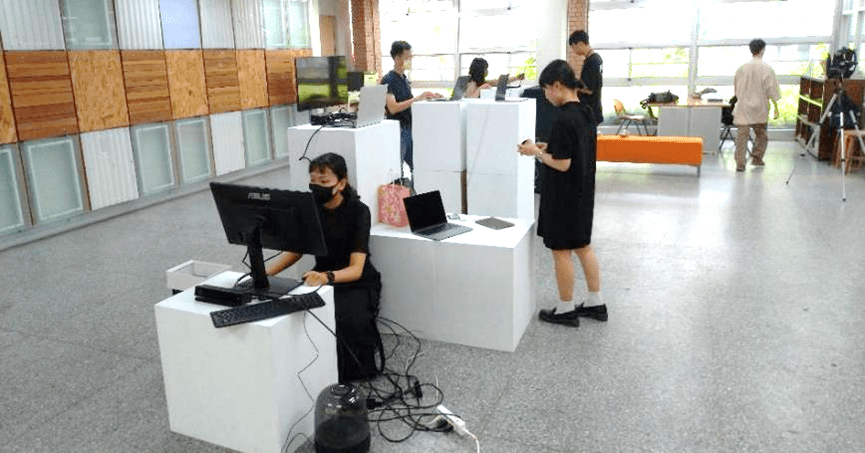
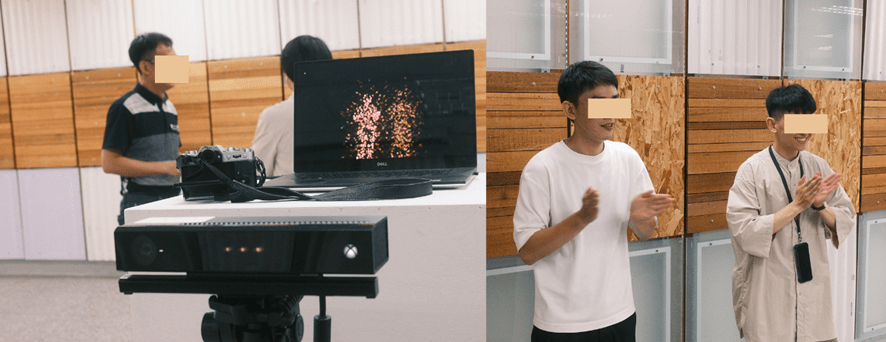
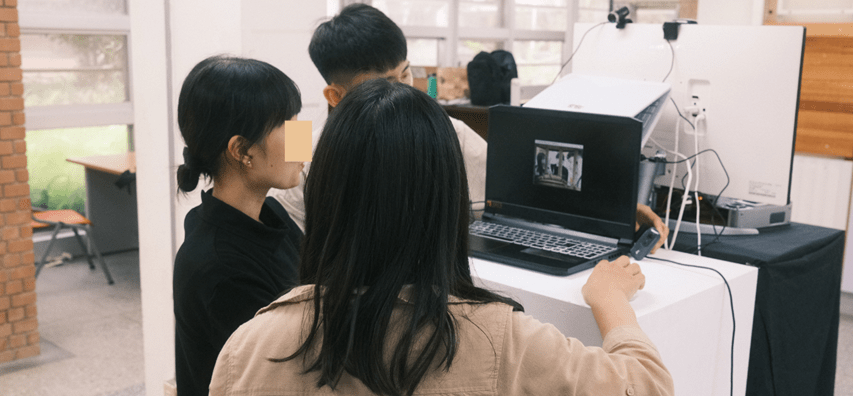
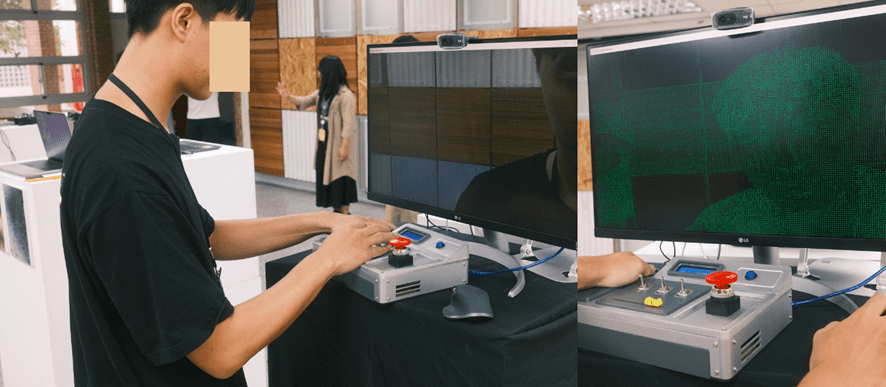
What is technology from a critical perspective? This year, we reviewed the critical theory of technology and humanity, especially the concept of Cyborg. From this critical point of view, students created their interactive project on the subject of self-representation.
In our theoretical parts, students made their podcasts with me and discussed the theme of their selected articles. The podcasts (in Chinese) are listed as follows:
>>> podcasts
- 開場 https://solink.soundon.fm/episode/4ce78b2c-f69b-41f4-ad02-d072ae97467f
- 從個人的回憶談文化意識 feat. 張雅玟 https://solink.soundon.fm/episode/1229c365-d93a-41b5-90f9-9076a20972f1
- 抉擇與生命品質 feat. 劉昌翰 https://solink.soundon.fm/episode/462b3cf2-4018-4e8d-a890-9ebec862fee1
- 克蘇魯文學 feat 鍾家溱同學 https://solink.soundon.fm/episode/4451f5a9-274f-4d96-9cb4-fabedf2e4e38
- 工業4.0 feat 郭文進同學 https://solink.soundon.fm/episode/ec9c9f83-755a-46fd-835d-e5253626e9eb
- 從Akira看賽博格與科技道德 feat 何晟弘同學 https://solink.soundon.fm/episode/3659e9bf-b1fa-467f-abd6-fb0109080c40
- 藝術體驗的塑造 feat. 彭歆睿同學 https://solink.soundon.fm/episode/14dd2f7a-8d77-4ff8-a3a3-b59724af517e
- 賽博龐克與後現代的關鍵概念 feat. 莊凱硯同學 https://solink.soundon.fm/episode/4f782522-4ca1-407b-8737-7c23ef9583cc
- 完結篇 – 為什麼我們要搞一堂這麼累人的課? https://solink.soundon.fm/episode/c60b6510-6fa1-48ad-9f6e-4ddd152af462
After reviewing their themes, students started to create their interactive projects by using Processing, webcams, Kinects, and other desired tools.
>> 2021 Landscape Design (part of Collaborative Badlands USR project) (109下)
The subject of 2019 is “Landscape Design,” and we work together with the Collaborative BadLands USR Project. Due to the outbreak of COVID-19 in Taiwan, we were not able to present our work in the field; however, we built the whole field on gather.town and completed the final presentation.
The form of landscape is the consequence of humans interacting with nature and leaving physical traces. From a landscape, we see how people survive, live, and present their identity. Following this concept, we traveled into the Badlands in south Taiwan (Zuozheng). Based on our experience as a traveler, we constructed our design framework for redesigning the landscape of Zuozheng and for a more inspiring tourism experience in this rural area.
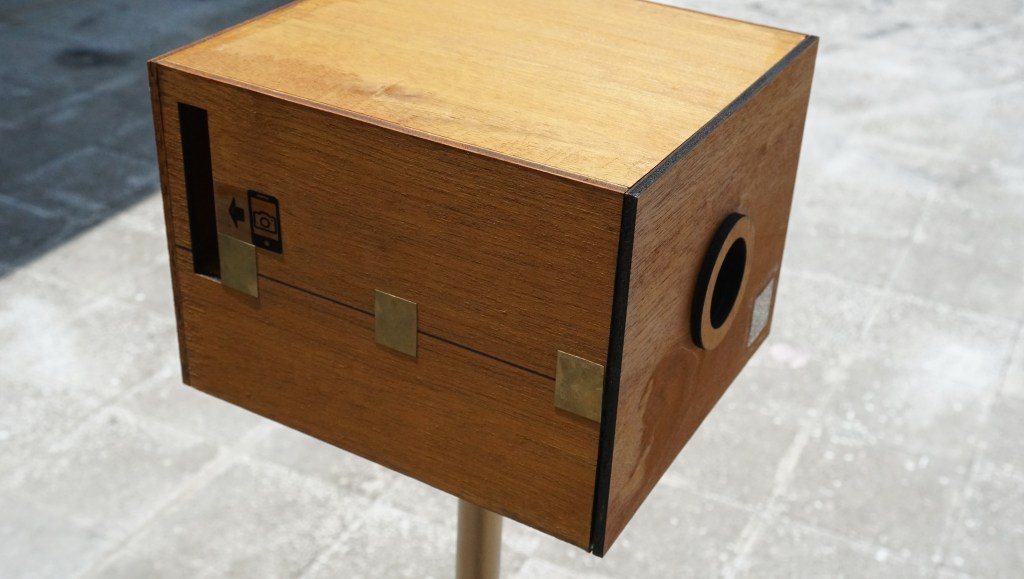
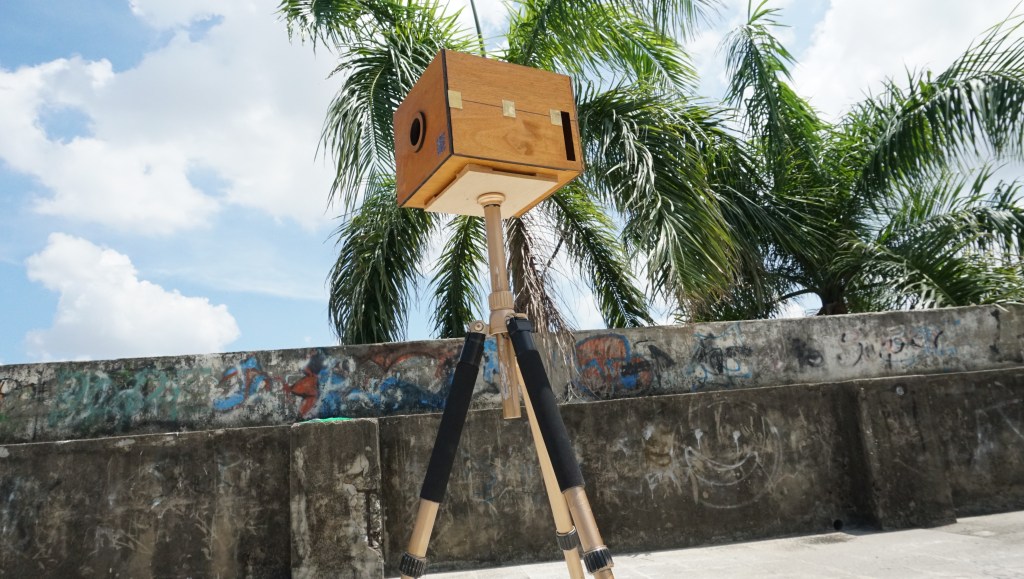
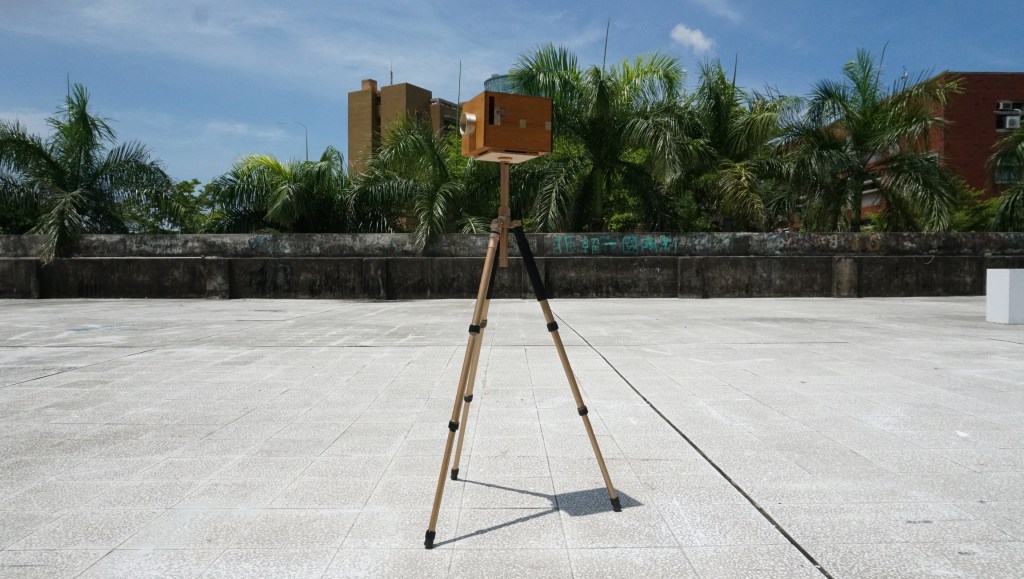
Visit our pixel Badland: https://gather.town/app/4LObgt6yju2OrUdh/Badland
>> 2021 Landscape Design (part of Collaborative Badlands USR project) (中文) (109下)
國立成功大學-教育部大學社會責任實踐計畫 【惡地協作:淺山地區之區域創生與跨域實踐】
課程【創作實務與反身性方法論】
指導教授:工業設計學系 簡瑋麒 (人文體驗與科技設計研究室)
策展與布展:童宇陞、張崑琳、張雅玟、林佩潔
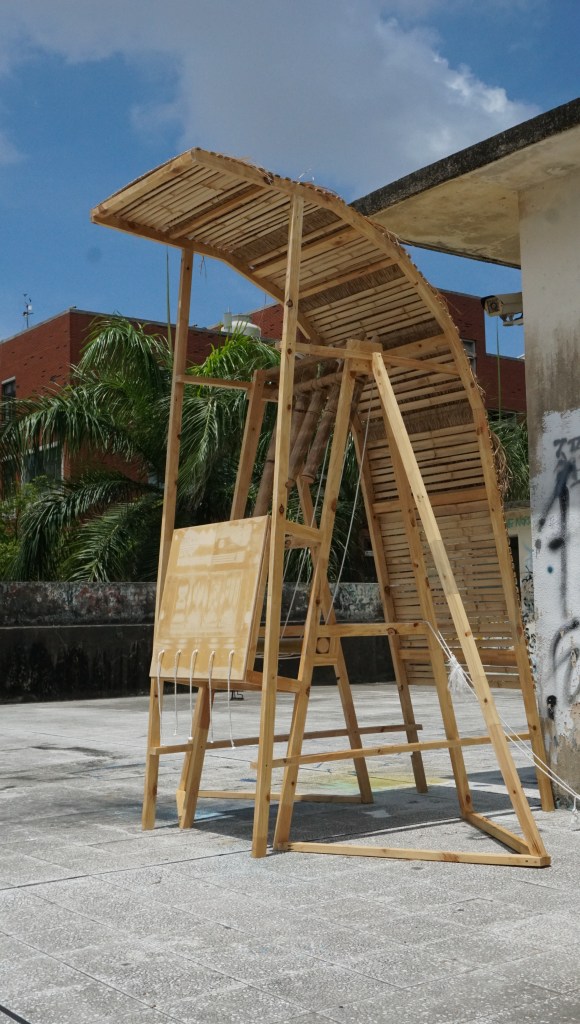
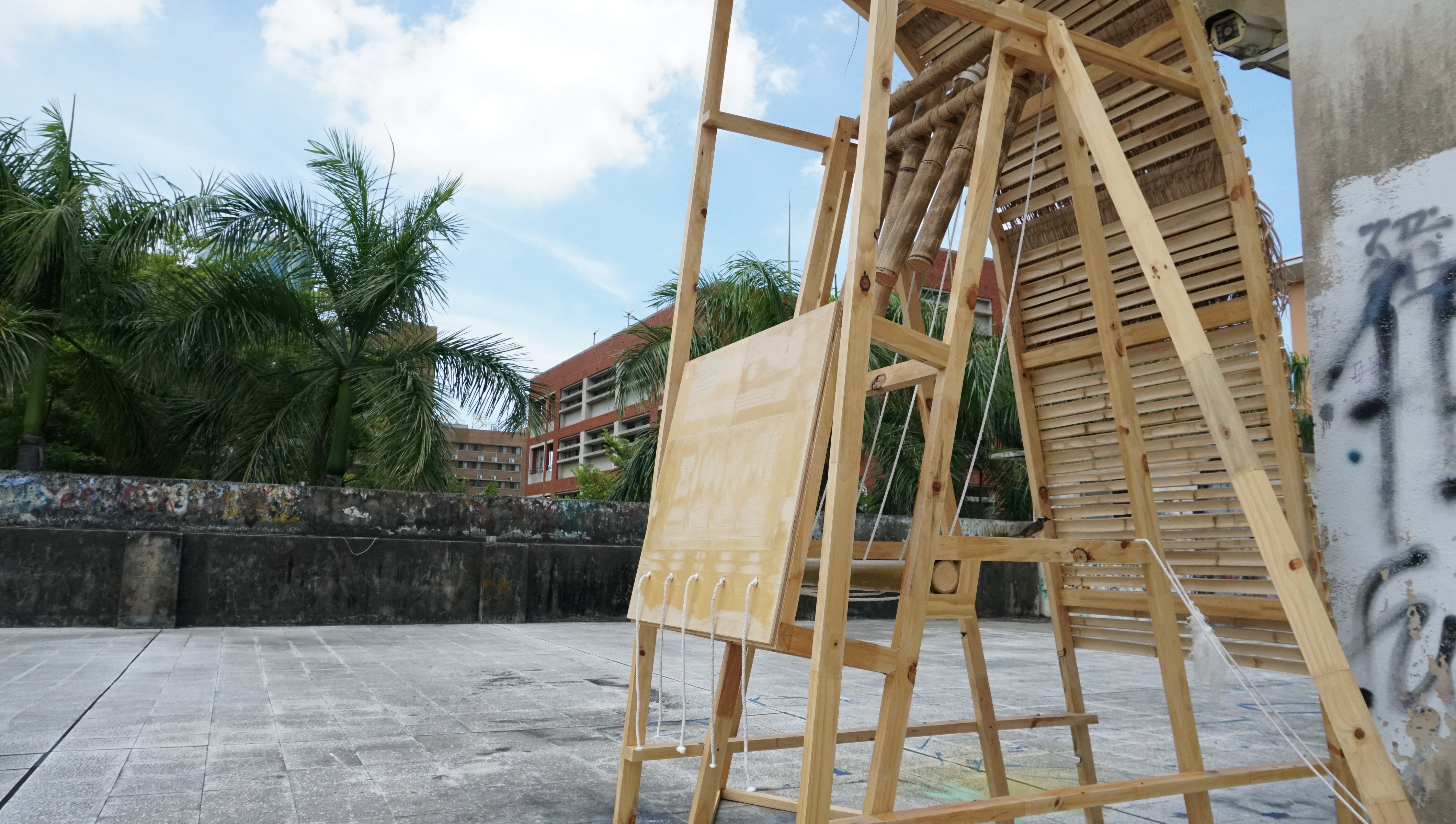
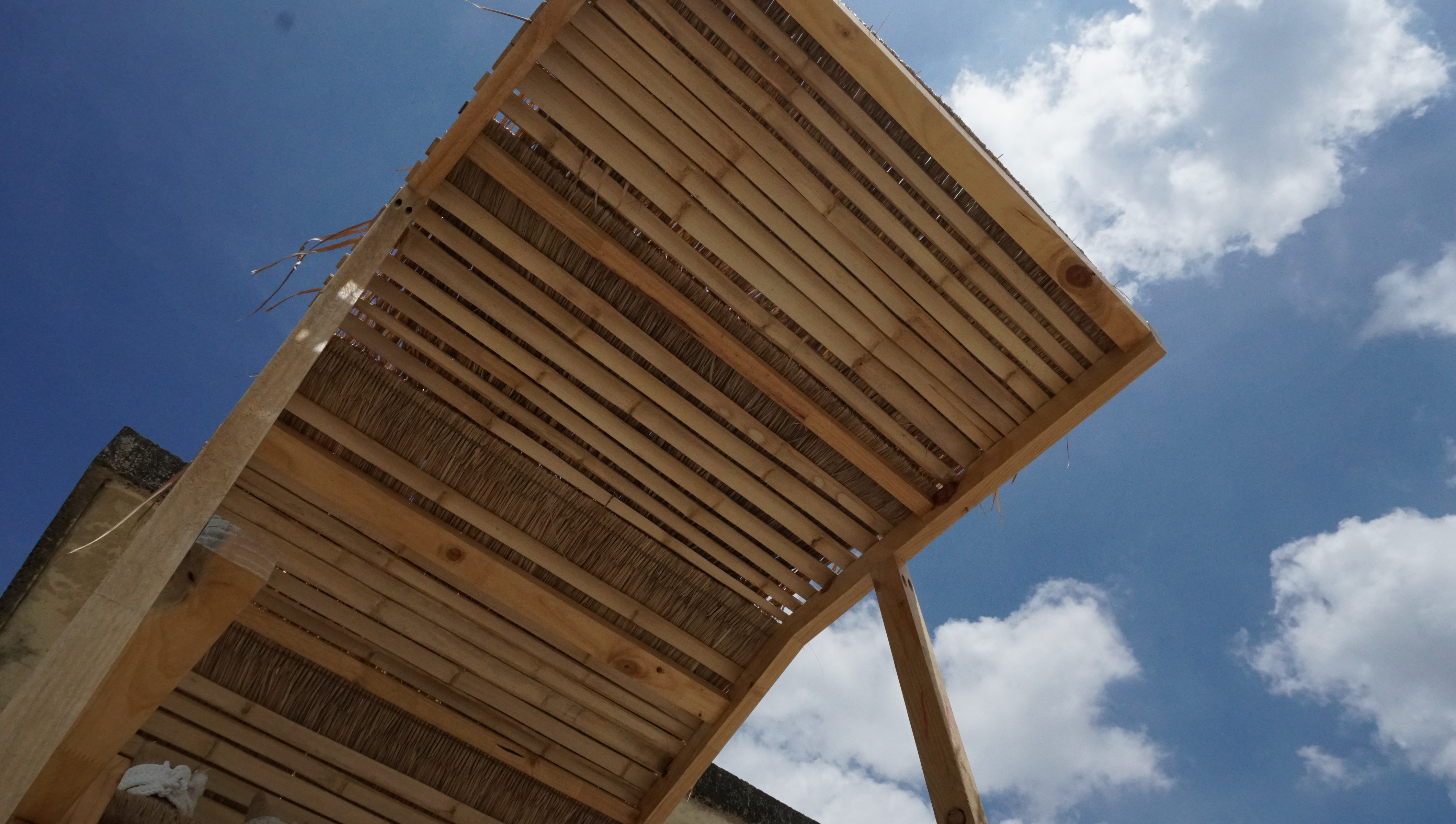
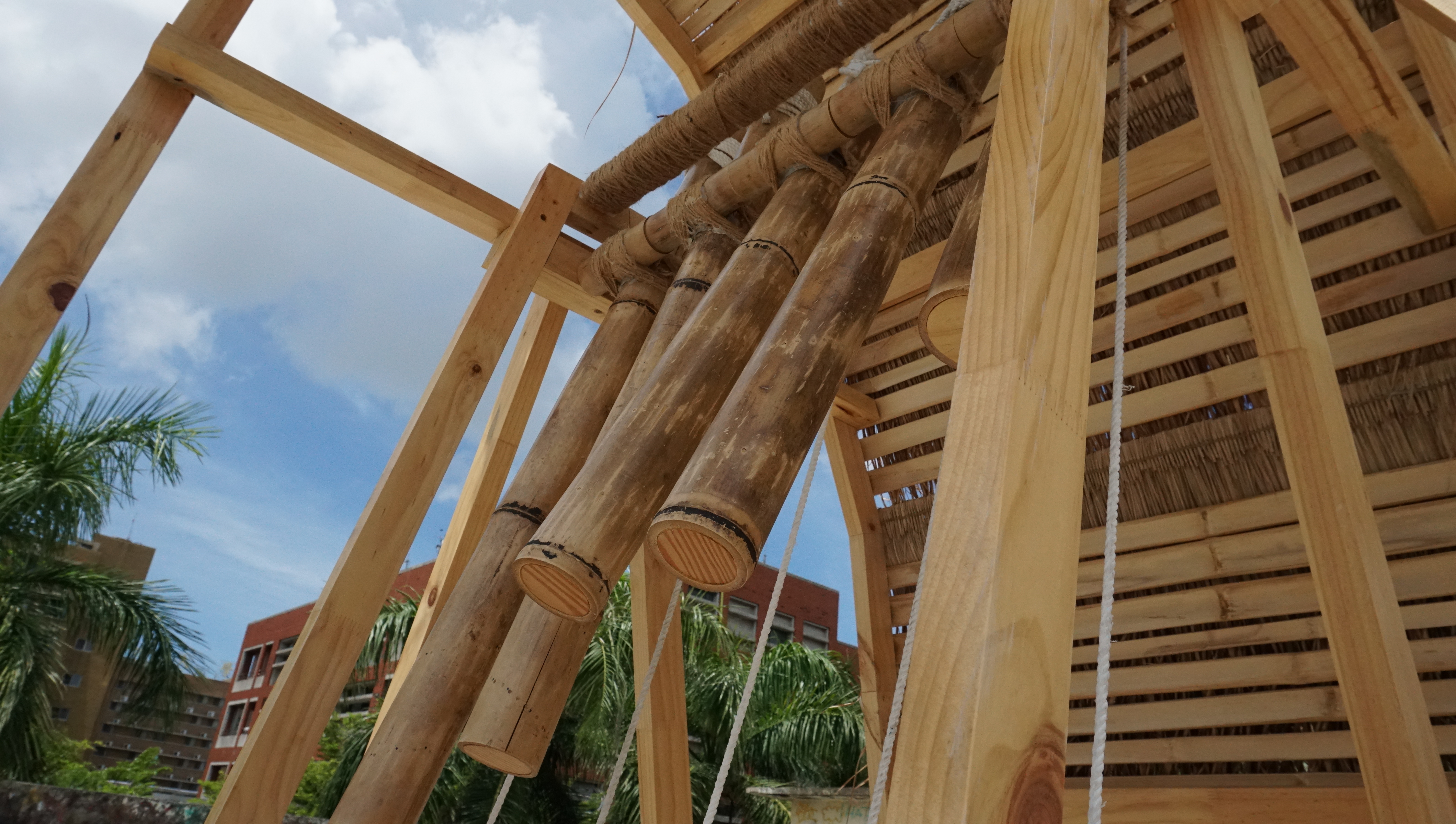
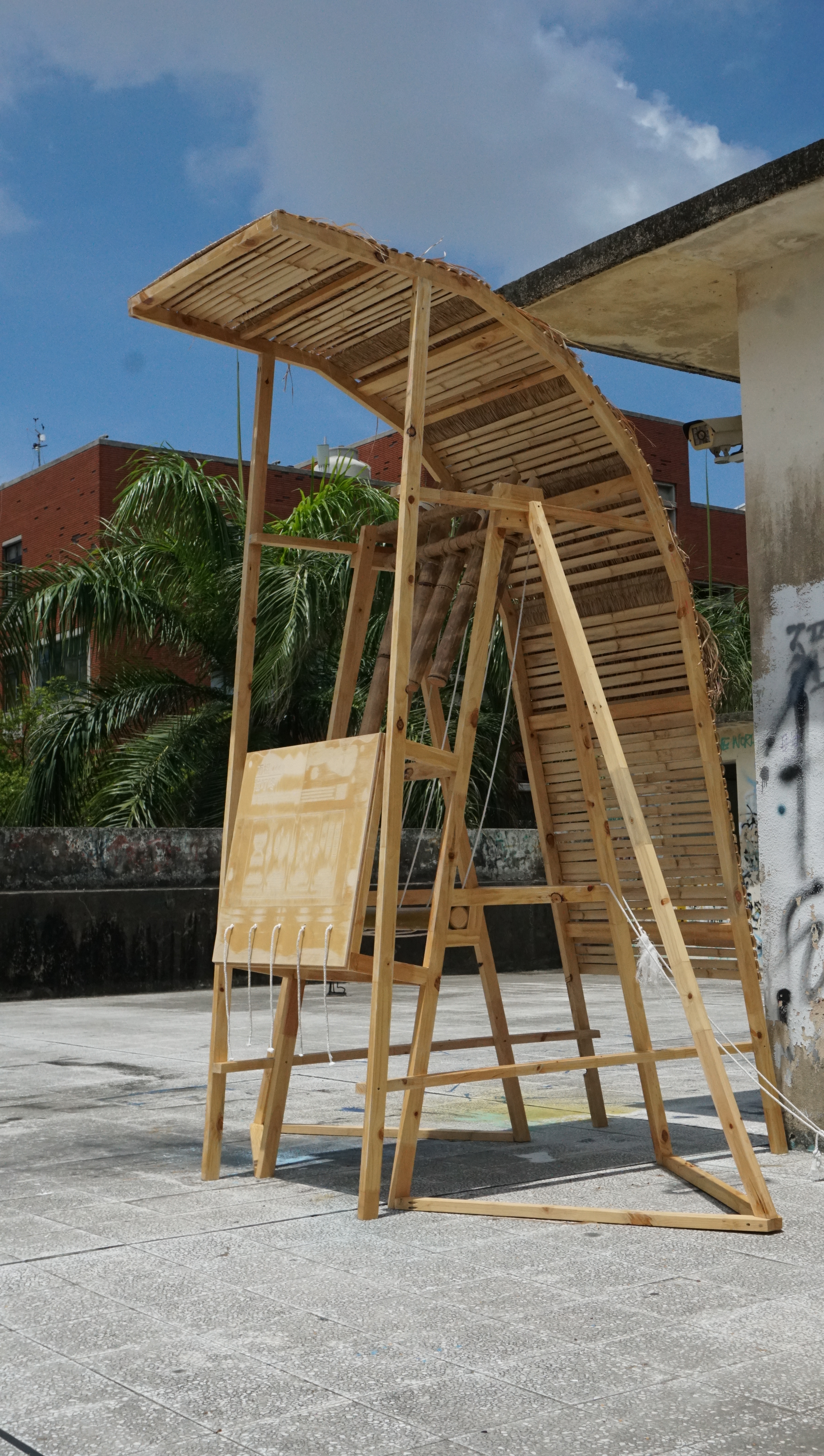
作品:雨棍拉叮咚
作者:楊佳霖、林宜模、程采瀅、曾佩玲、陳意昕
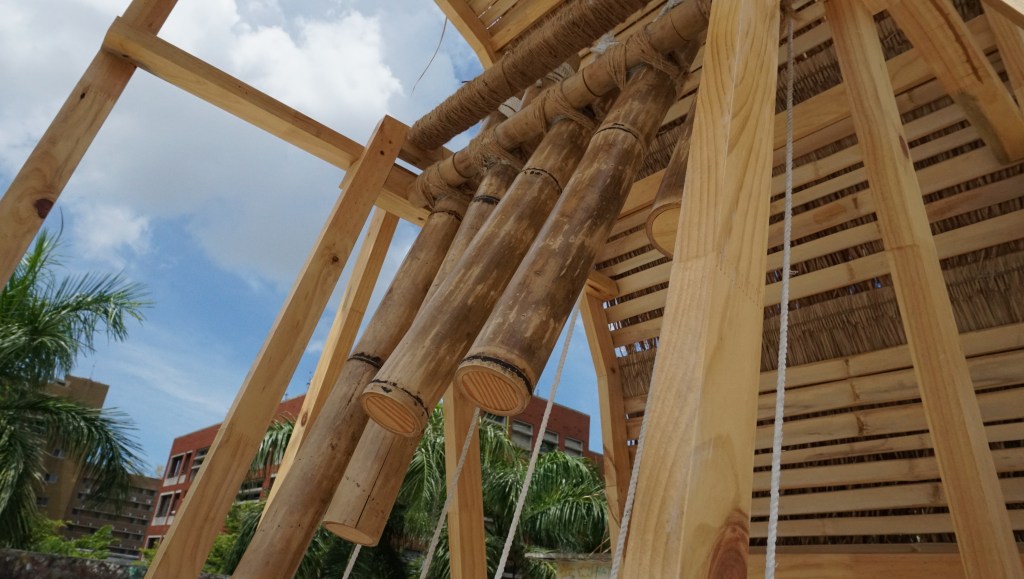
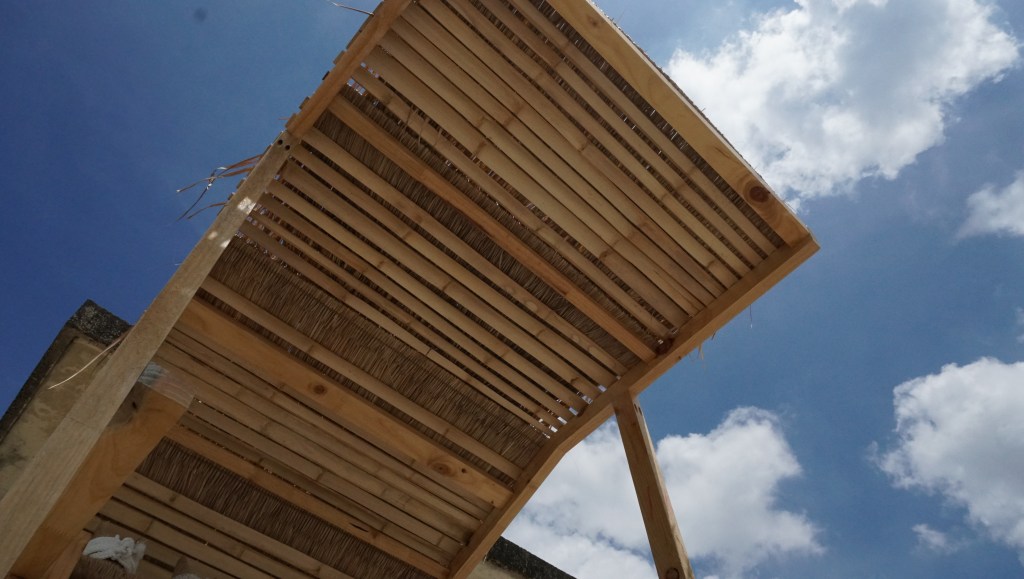
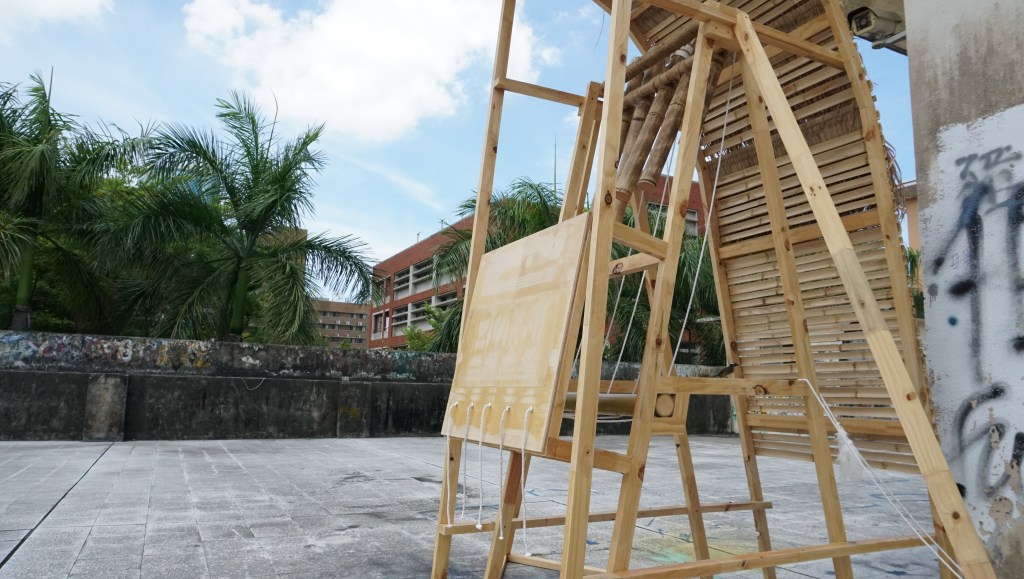
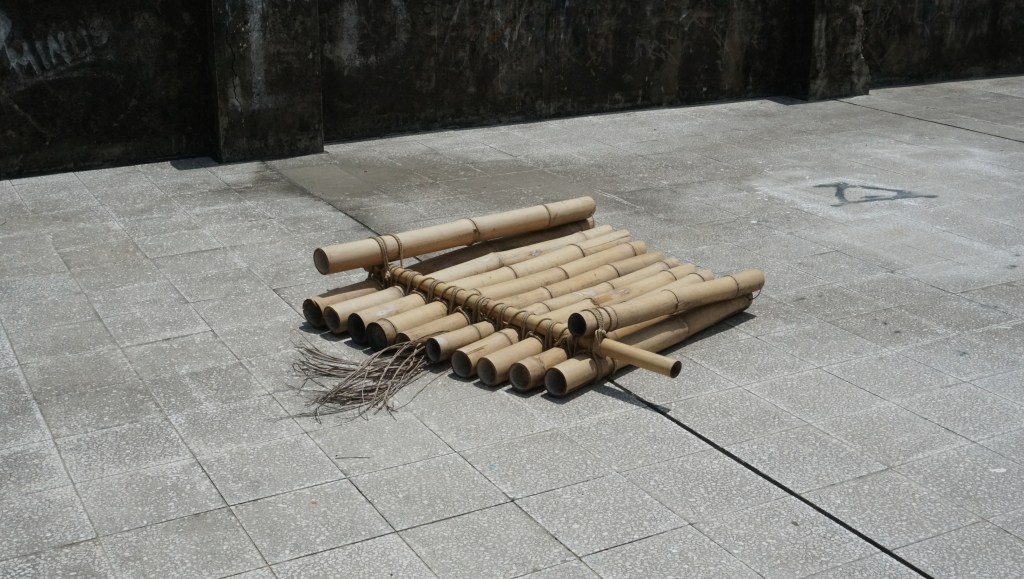
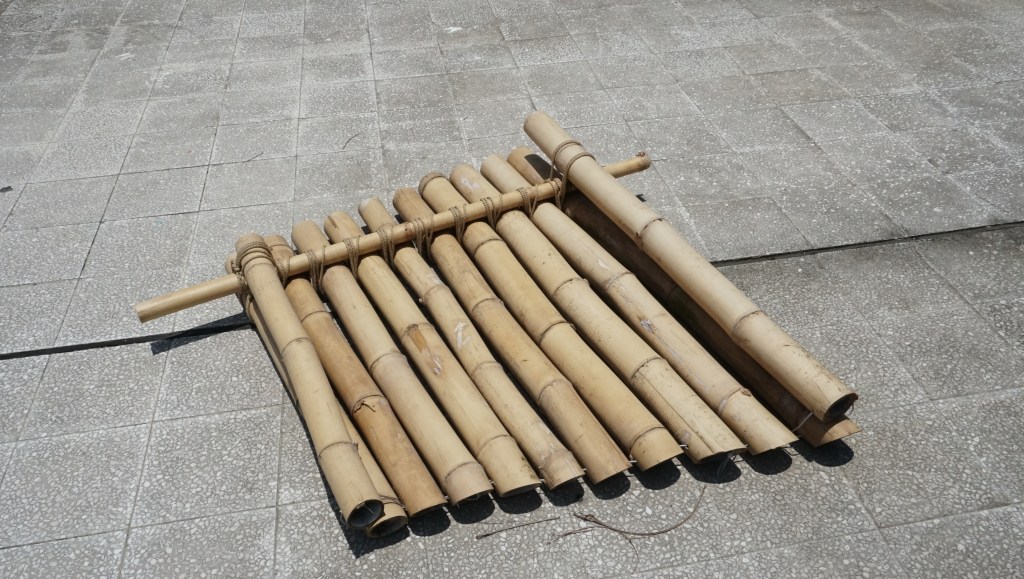
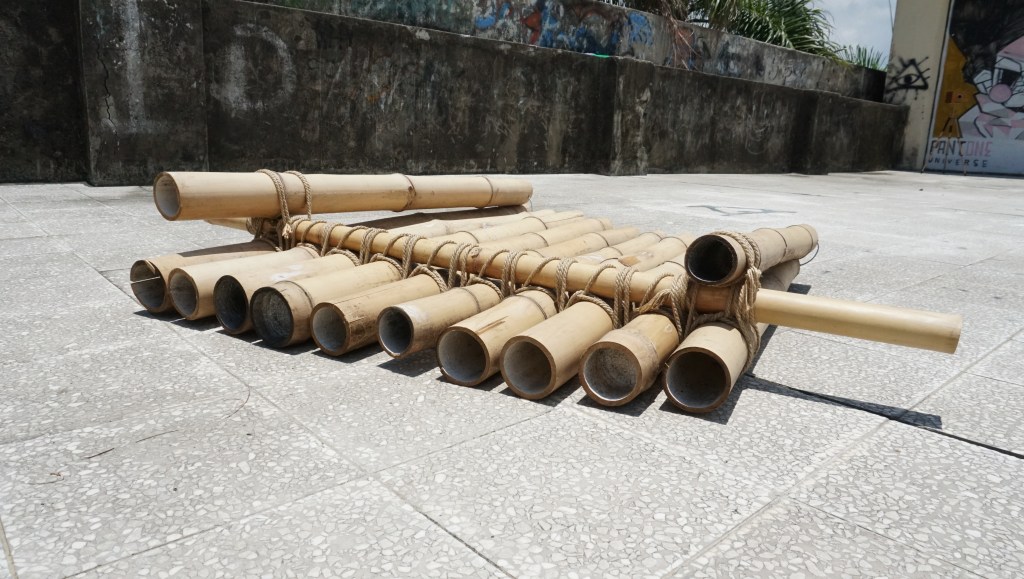
行走於夏日晴天的西南惡地,人們尋求陰涼避暑、小憩休息的涼亭。在豔陽中,我們很難想像當地其實苦於豪雨澇災。此事啟發了我們建構雨棍涼亭「雨棍拉叮咚」的想法。雨棍是由竹筒製成,藉由內部的構造在翻轉的過程中可以發出大雨滂沱的聲音。在炎炎夏日中,其聲音使人聯想到清涼的雨水。也更讓人重視當地淹水歷史。
多個大小不一的雨棍串連起來,最上方有繩子可以拉扯,讓雨棍在拉與彈回之間翻轉,發出下雨的聲音;雨棍大小、拉扯速度,以及拉動數量的多寡,都能影響發出聲音的不同,有時候需要與他人協作才能一起完成。
作品:惡地繫流(留)
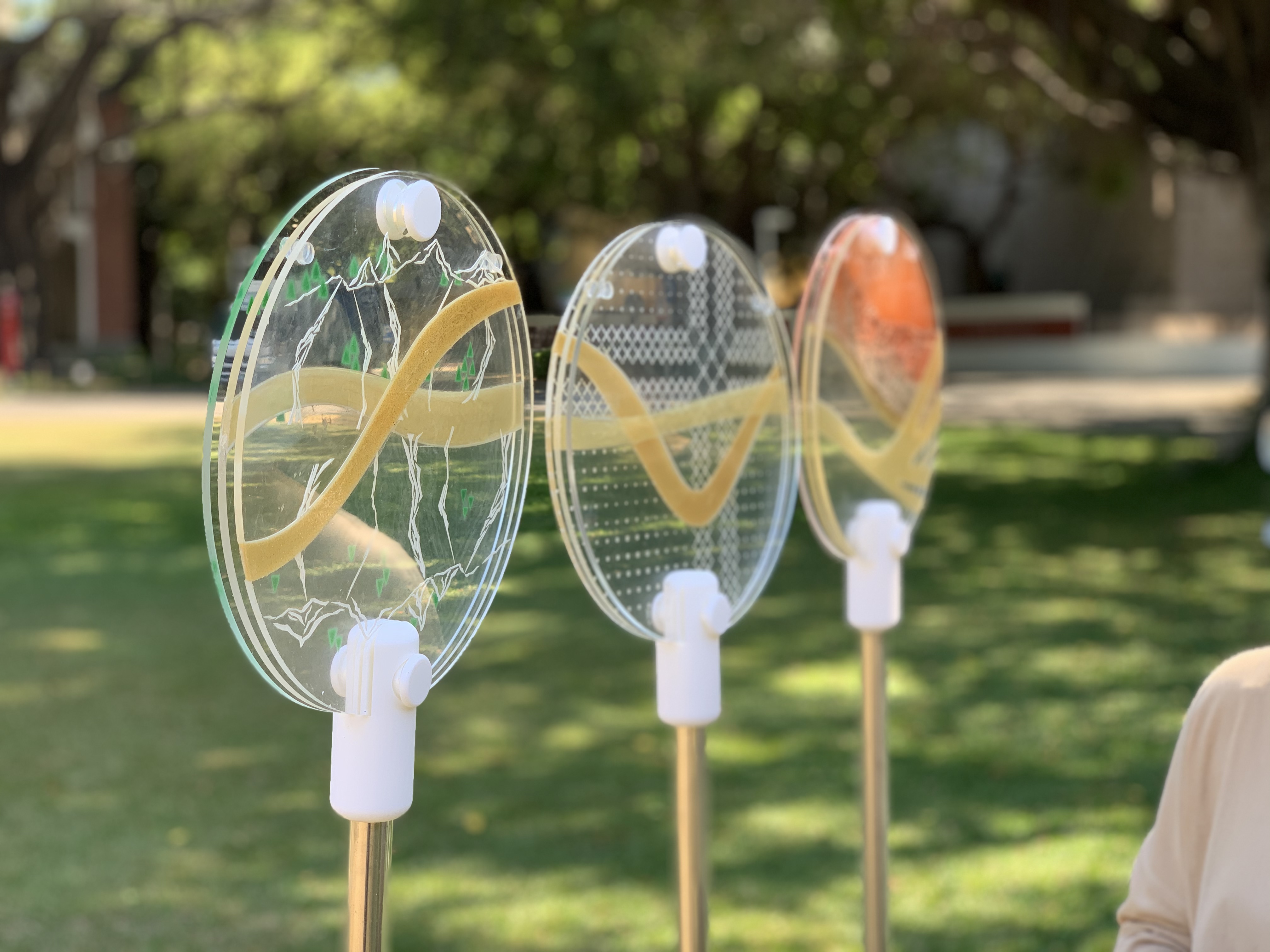
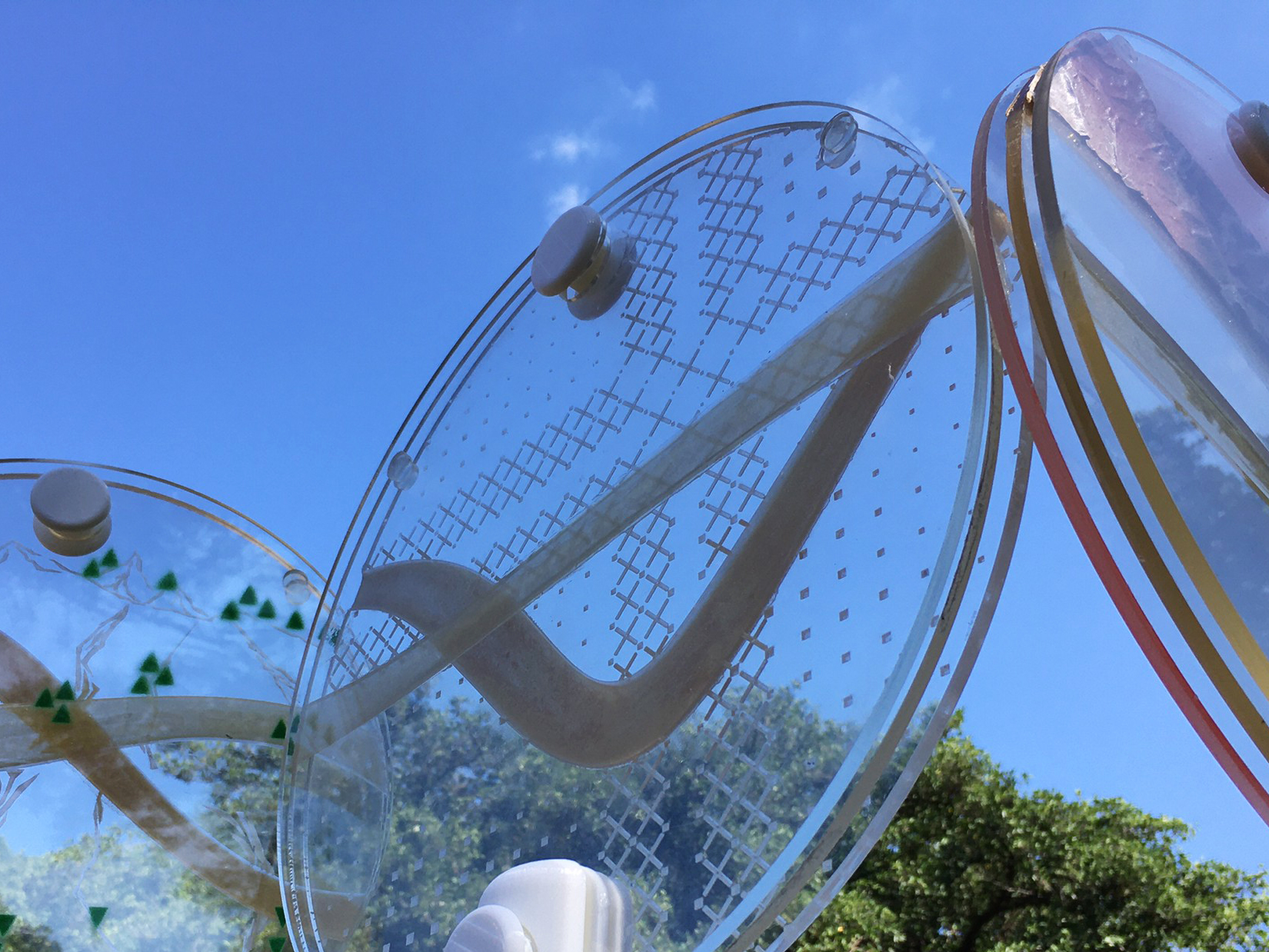
作者:邱俞潔、廖德為、楊千慧、黃馨緯、林承寰
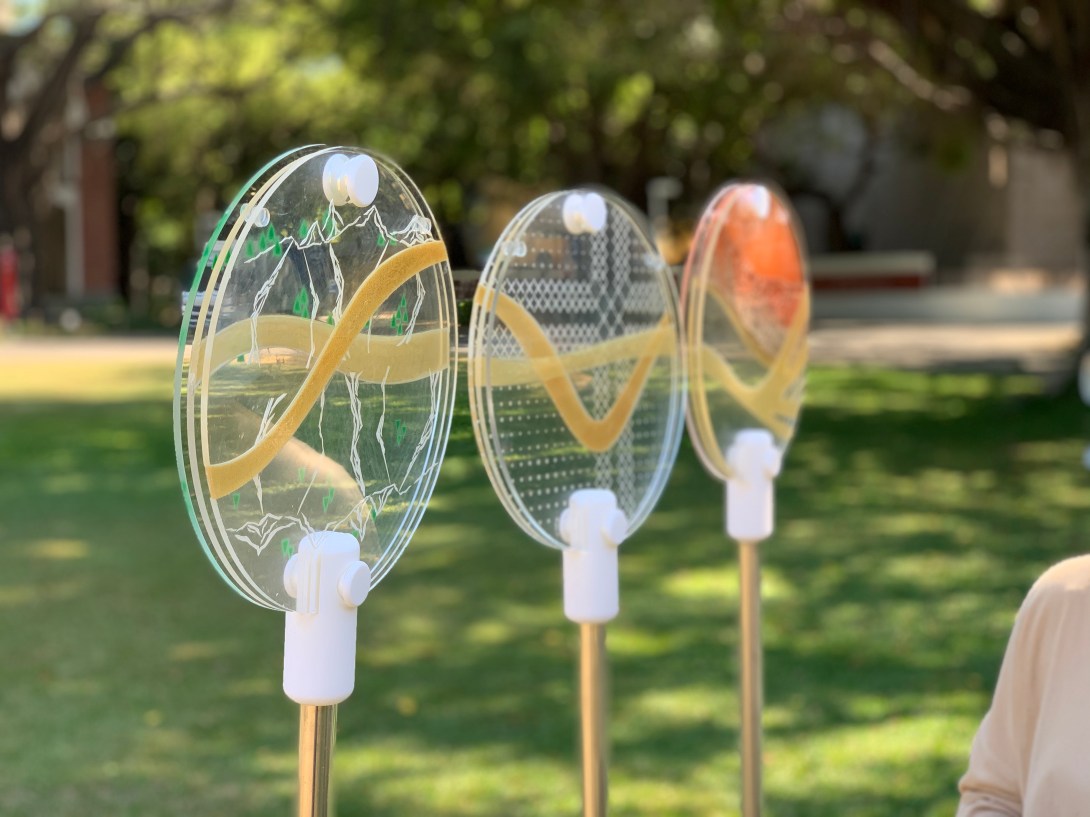
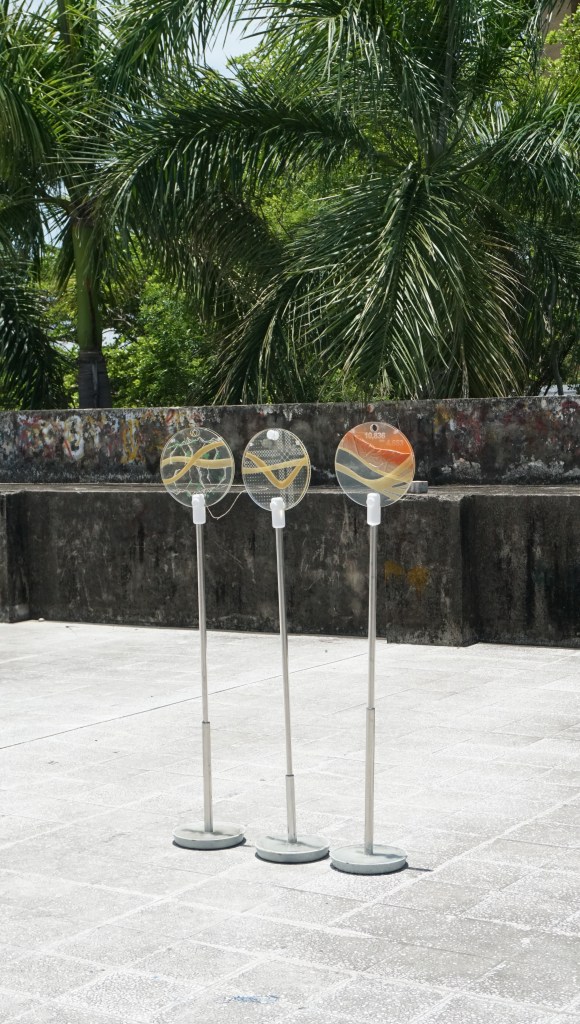
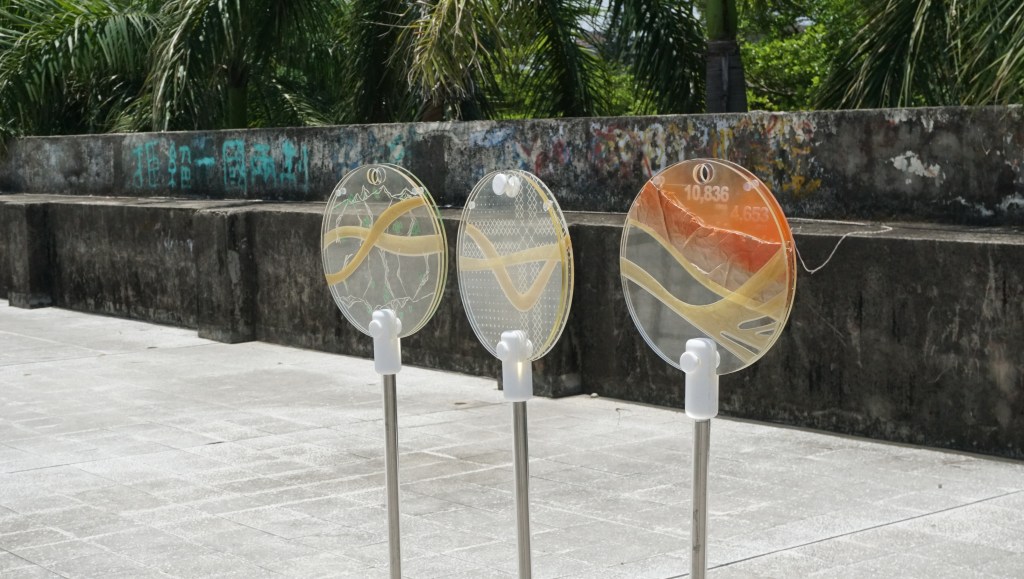
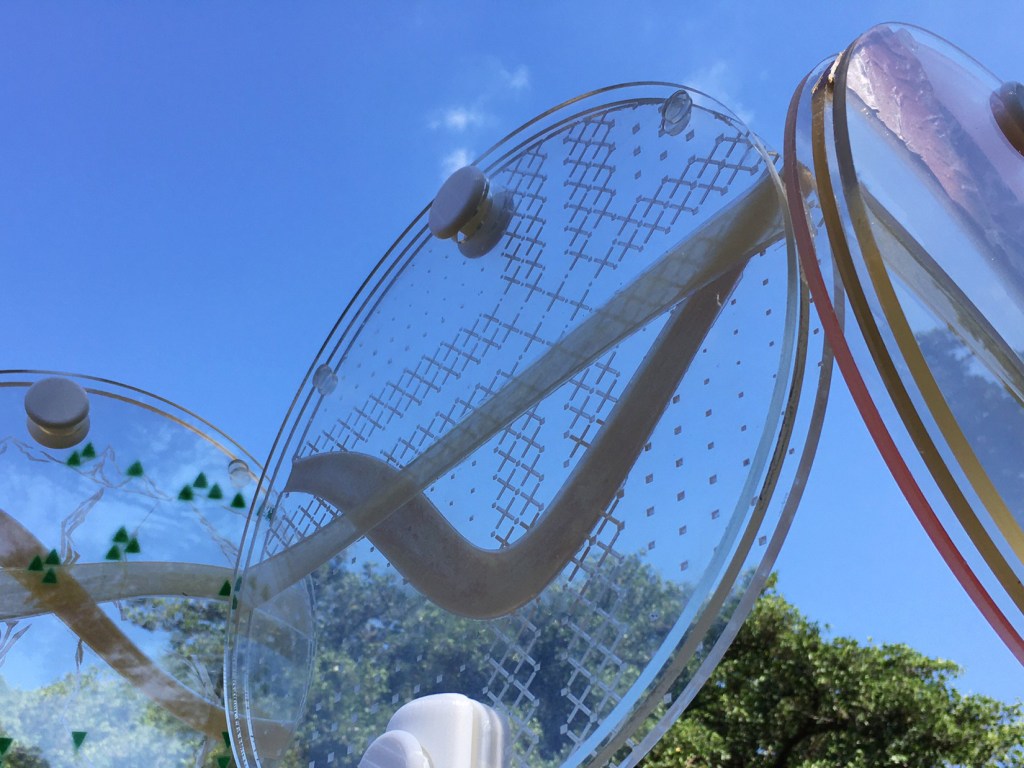
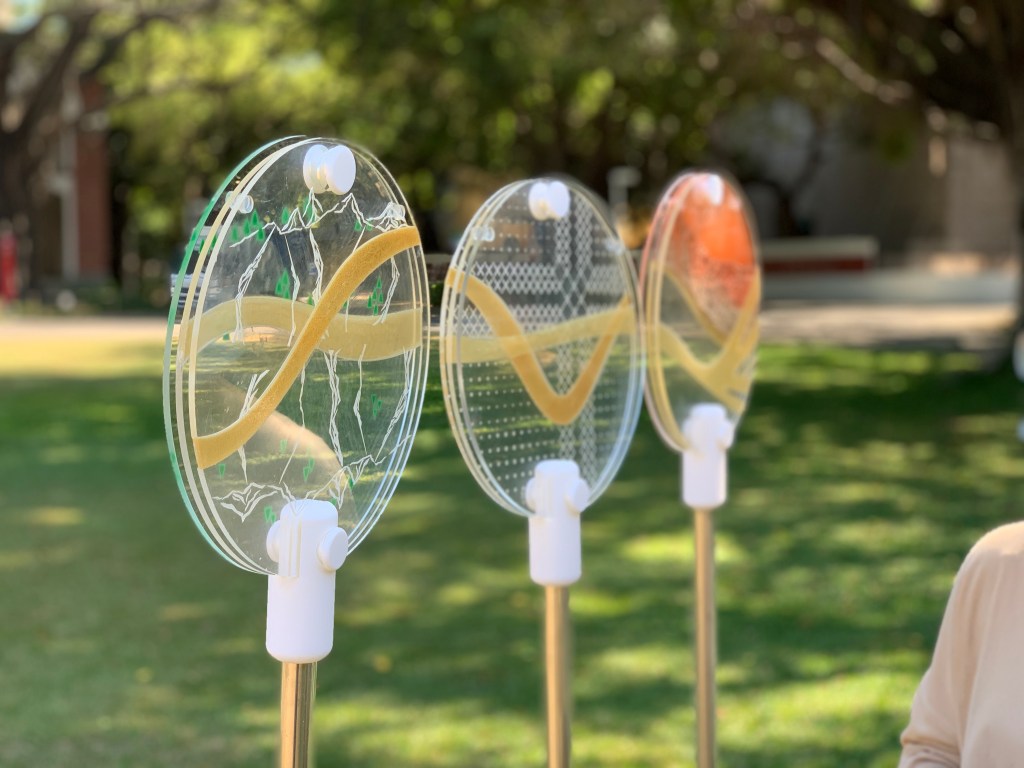
透過三種「鏡子」來觀賞草山對於人的意義。自然之鏡象徵了當地作為水源保護區所維持的自然生態樣貌,以及台灣西南泥岩地區的惡地地景。紋飾之鏡以西拉雅族的衣飾圖騰象徵當地的民風,提醒觀眾在這片惡地中所存在的文化樣貌。時光之鏡則以數字表述當地人口嚴重外移與老化的現況,提示在政策、經濟發展中衍伸的社會重要議題。
三面鏡子提供觀賞者三種不同的視角來思考這一片看似簡單又不簡單的人文地景。
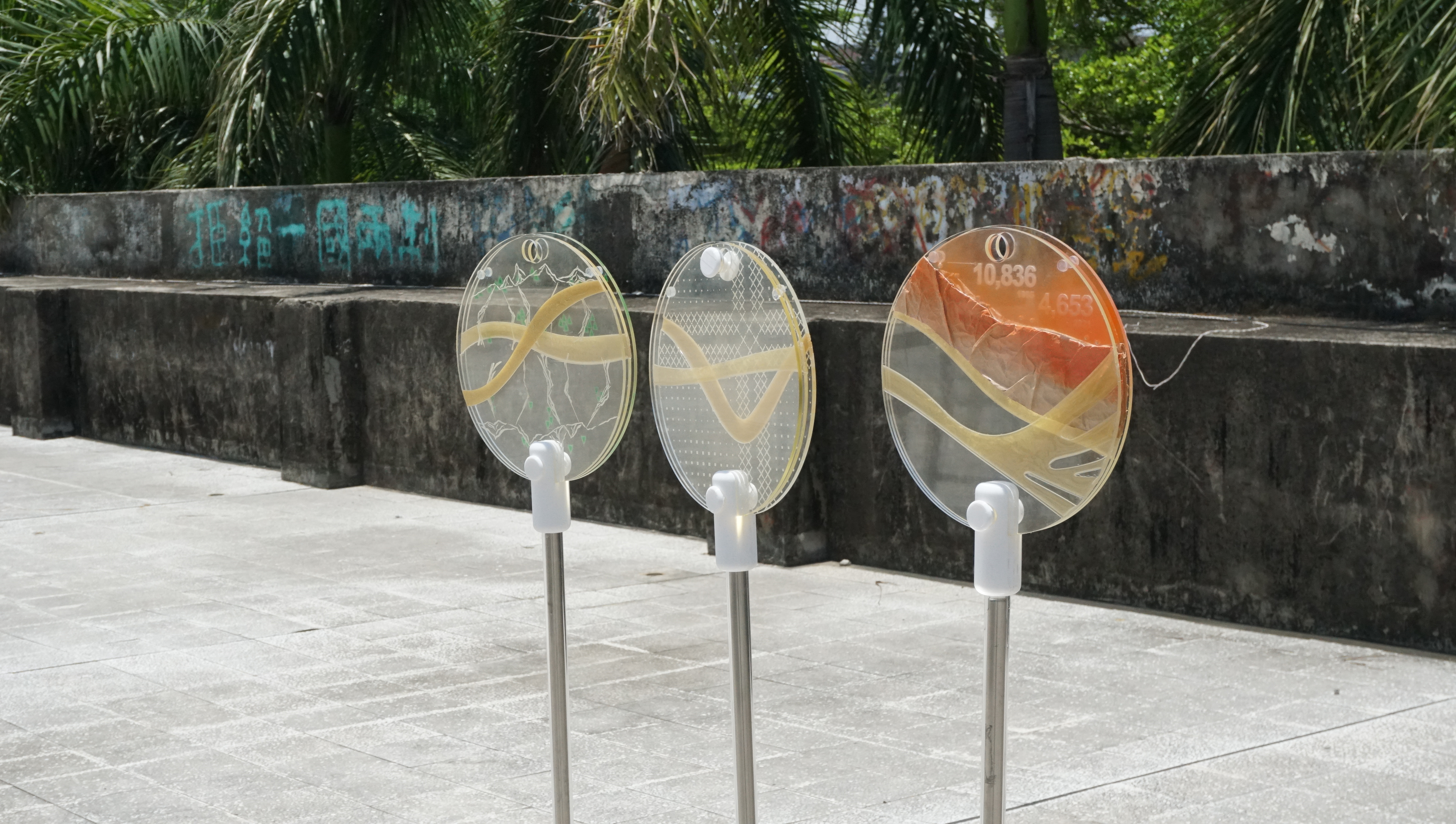
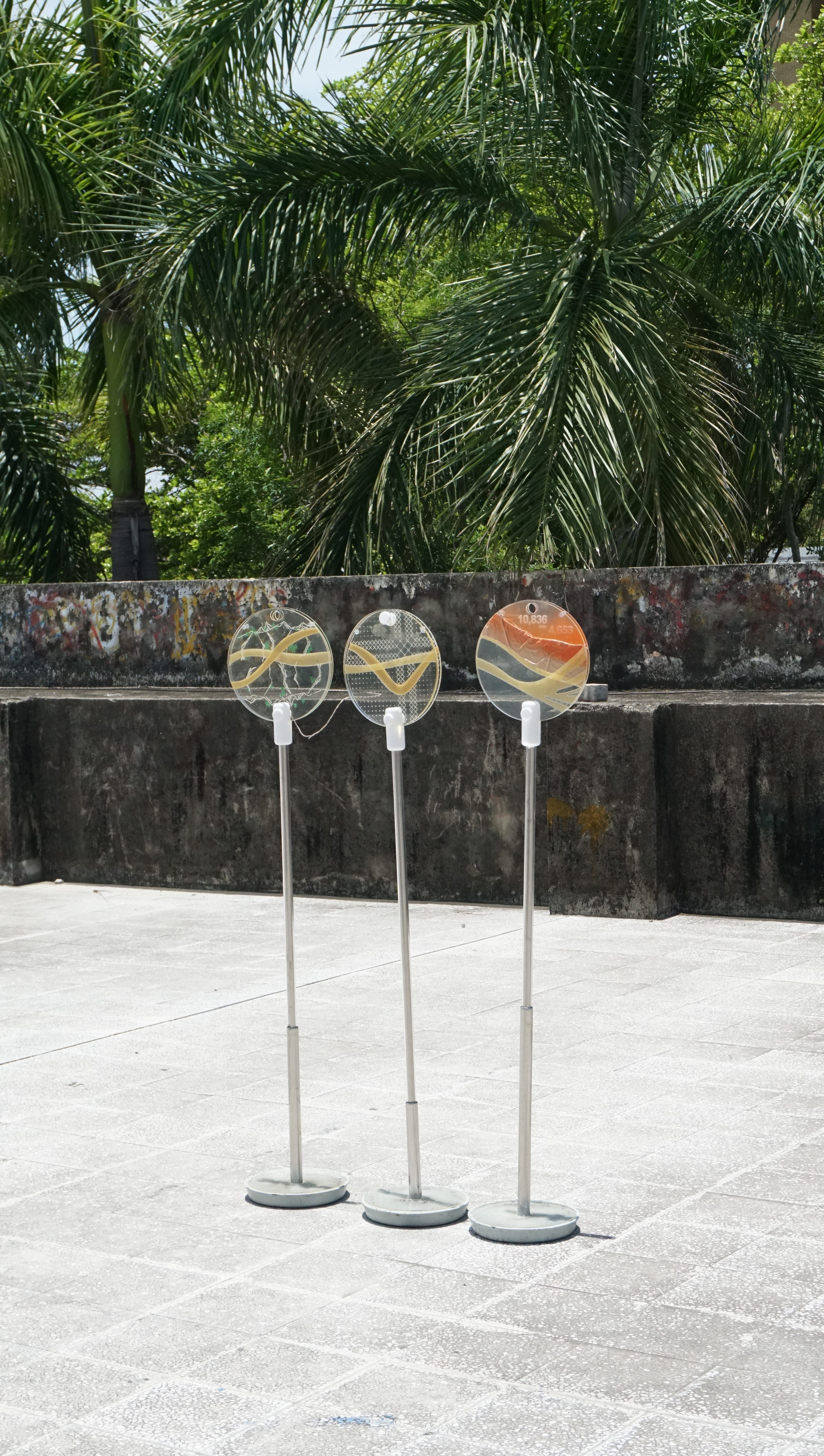
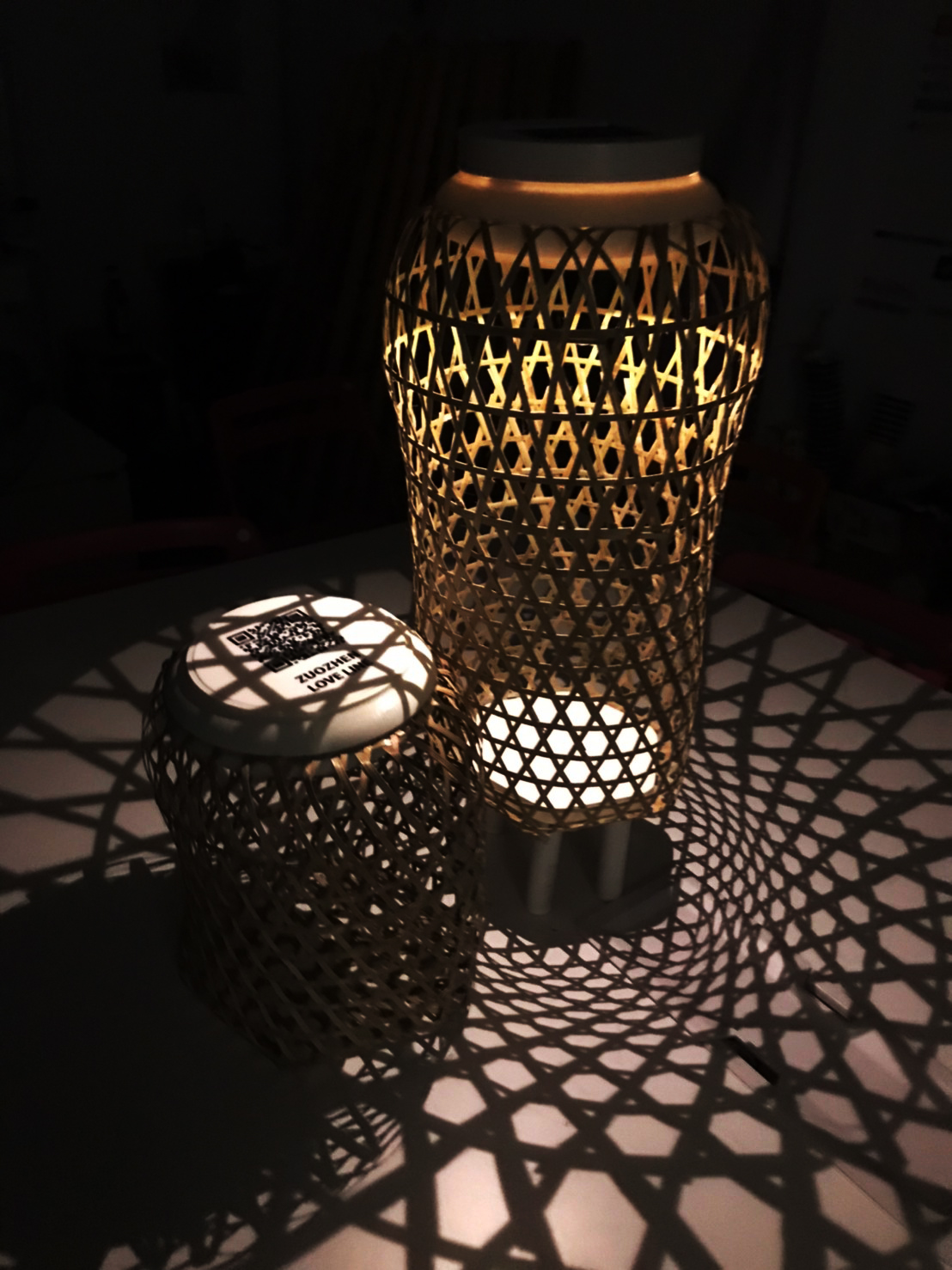
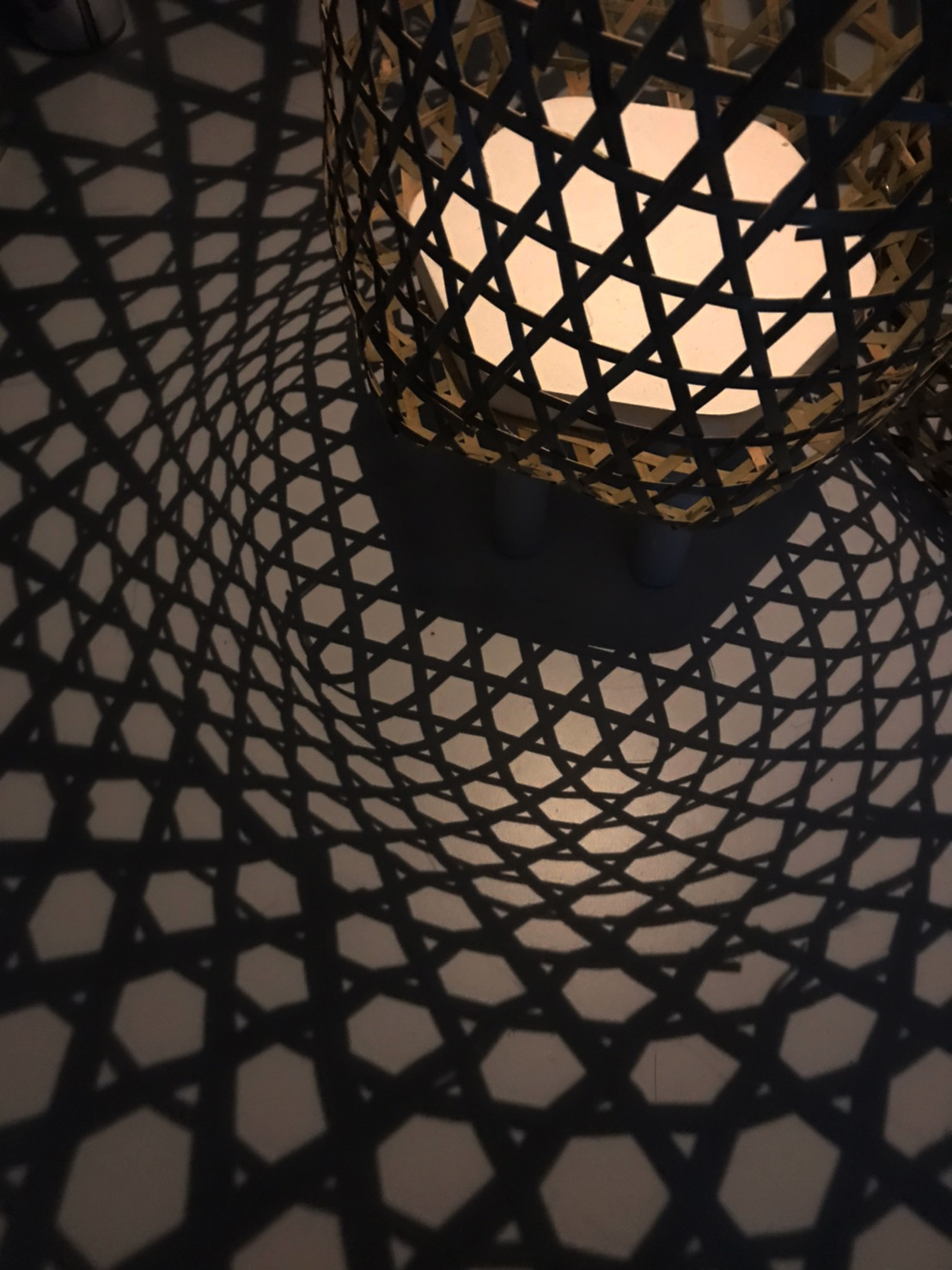
作品:生命線
作者:康靜雯、周玟璇、張婷茹
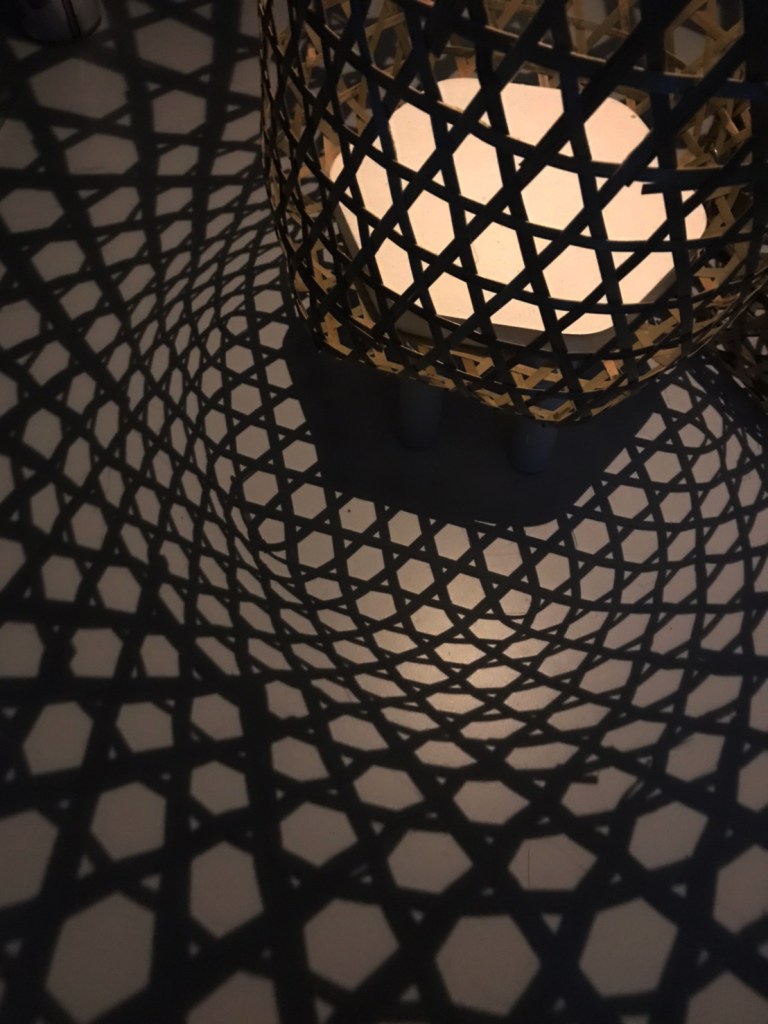
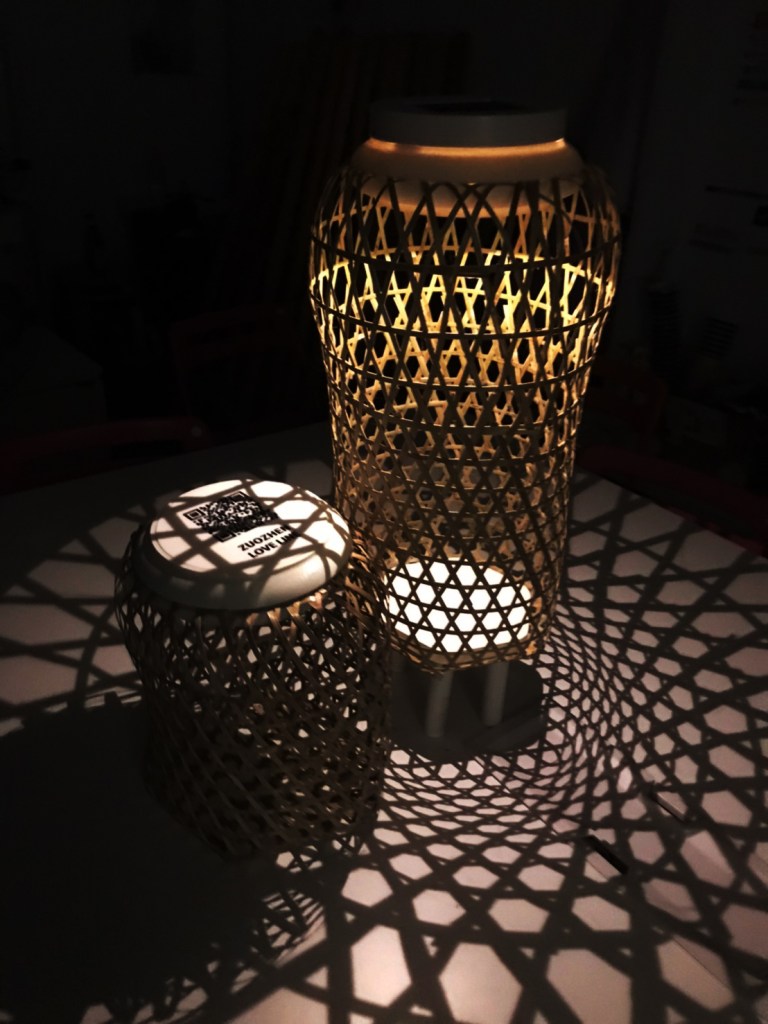
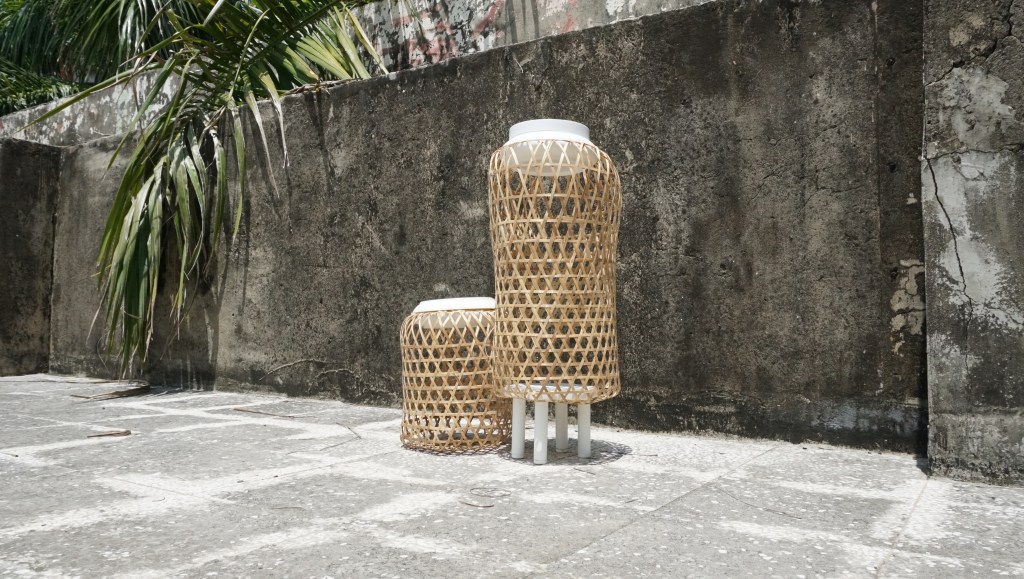
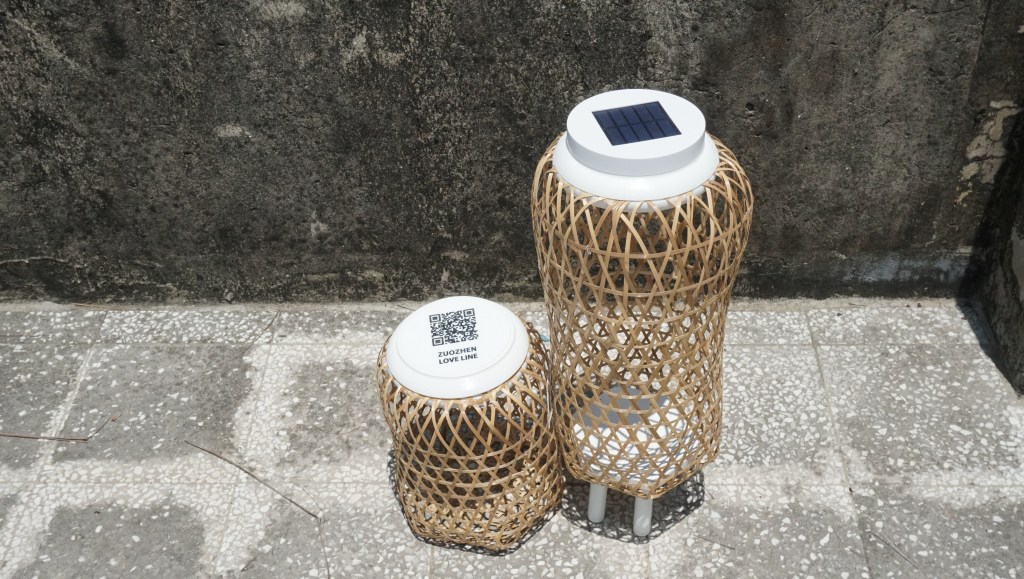
這是作者漫步在岡林草山惡地時獲得的靈感。暗夜的路上有盞默默為你點的燈籠「竹之光」,取材當地刺竹製成的竹篾來編織燈籠,每只燈籠的點串接成一線,讓到人在黑夜中不至於孤單,成為人與人之間的「生命線」。燈籠上的QR-Code連接到雲端,可以觀看自己的地理位置,也提供景點歷史與故事,串聯了人與時空。
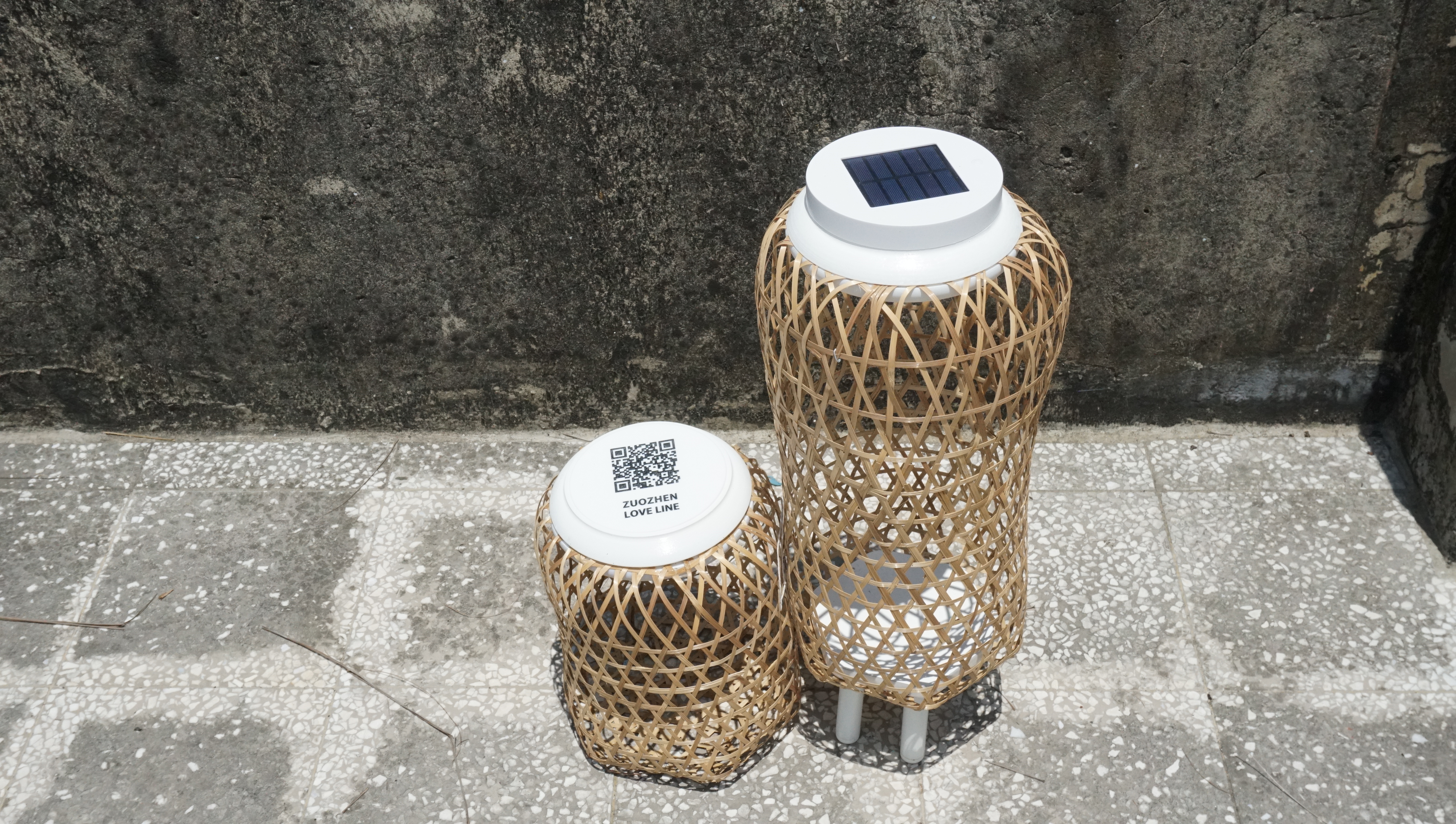
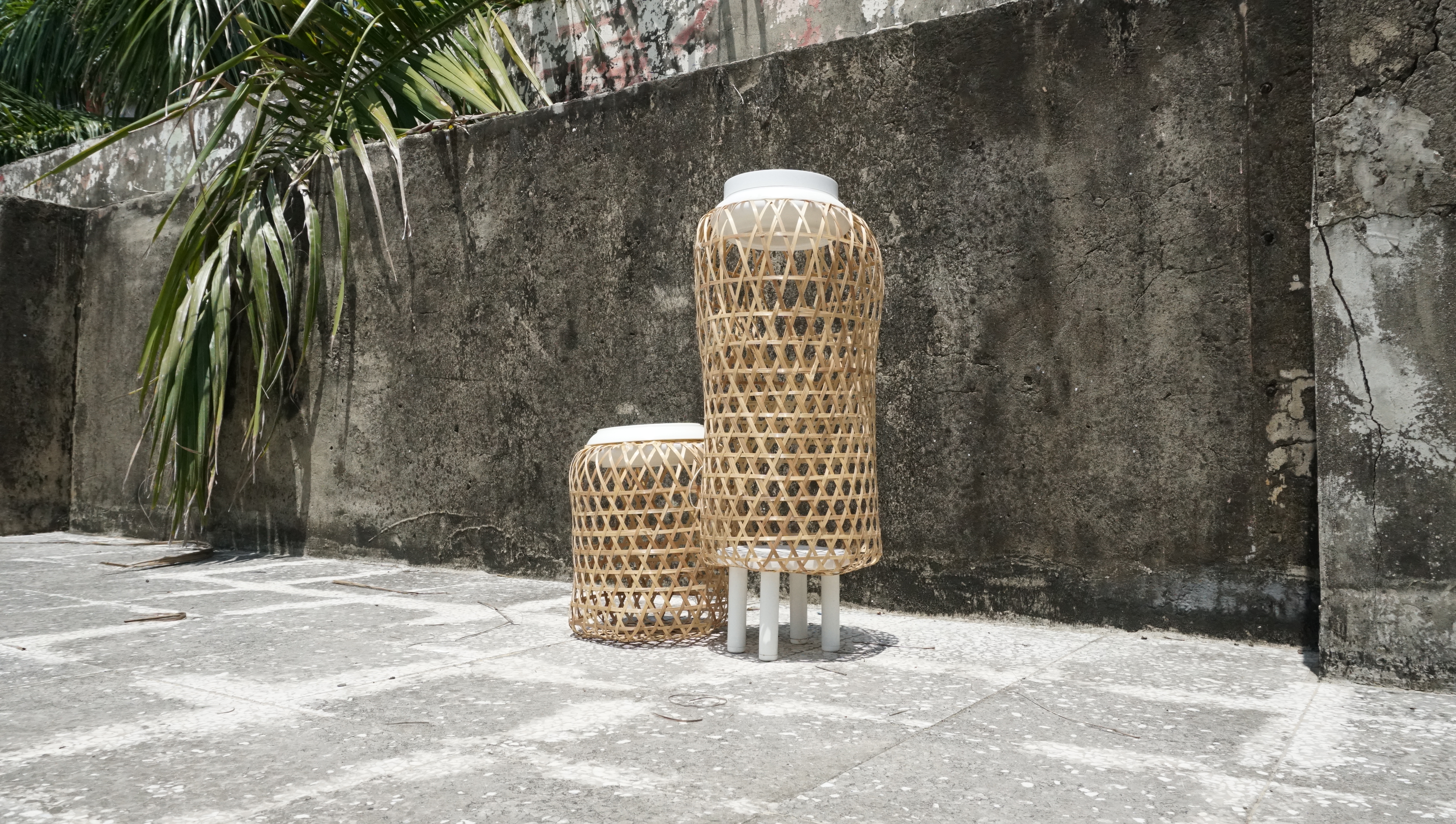
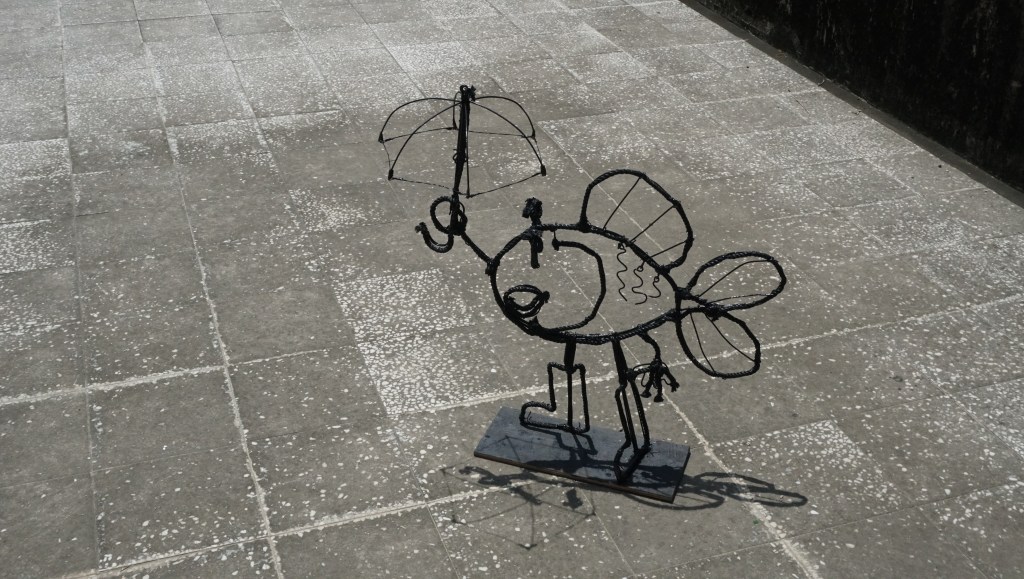
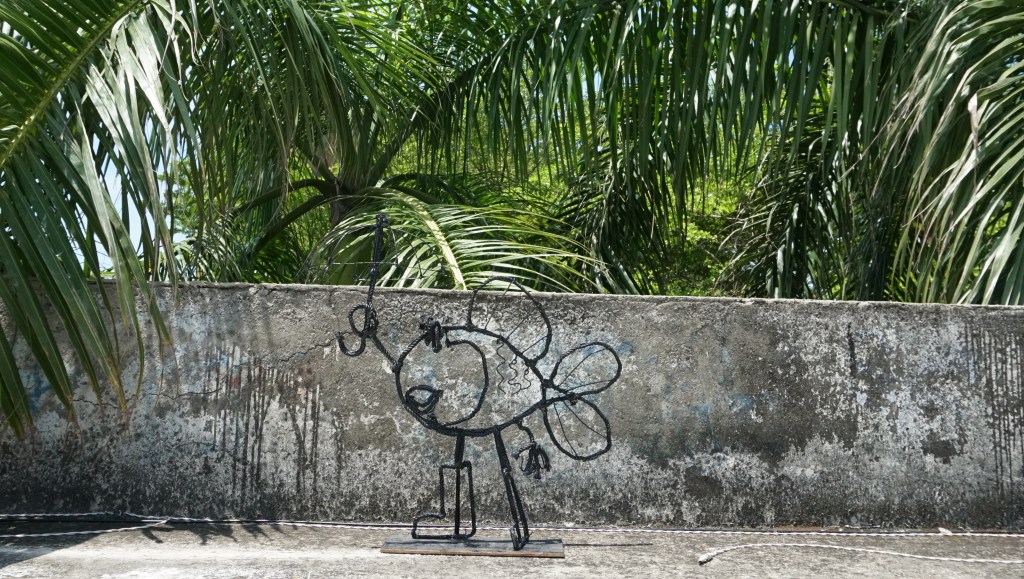
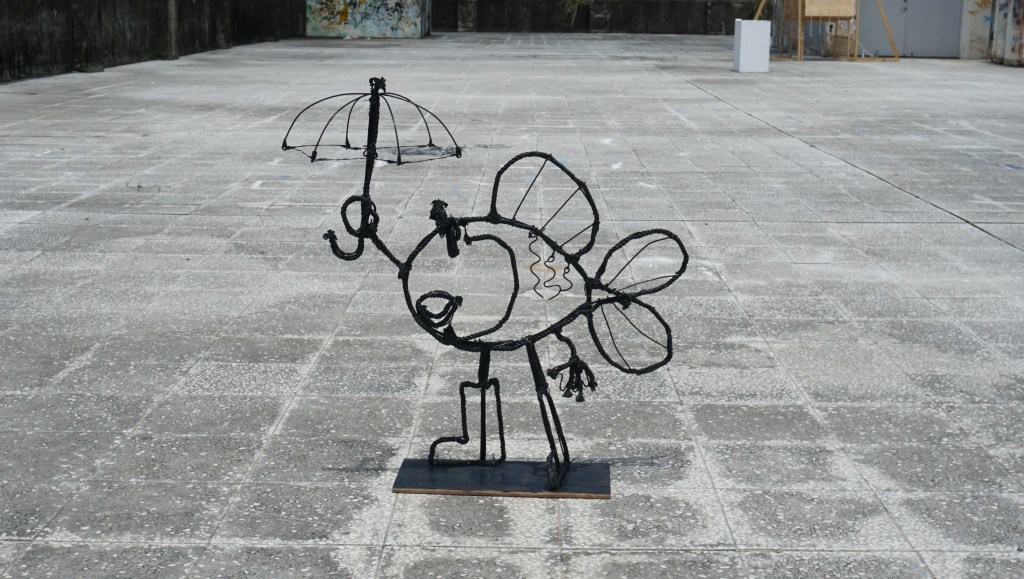
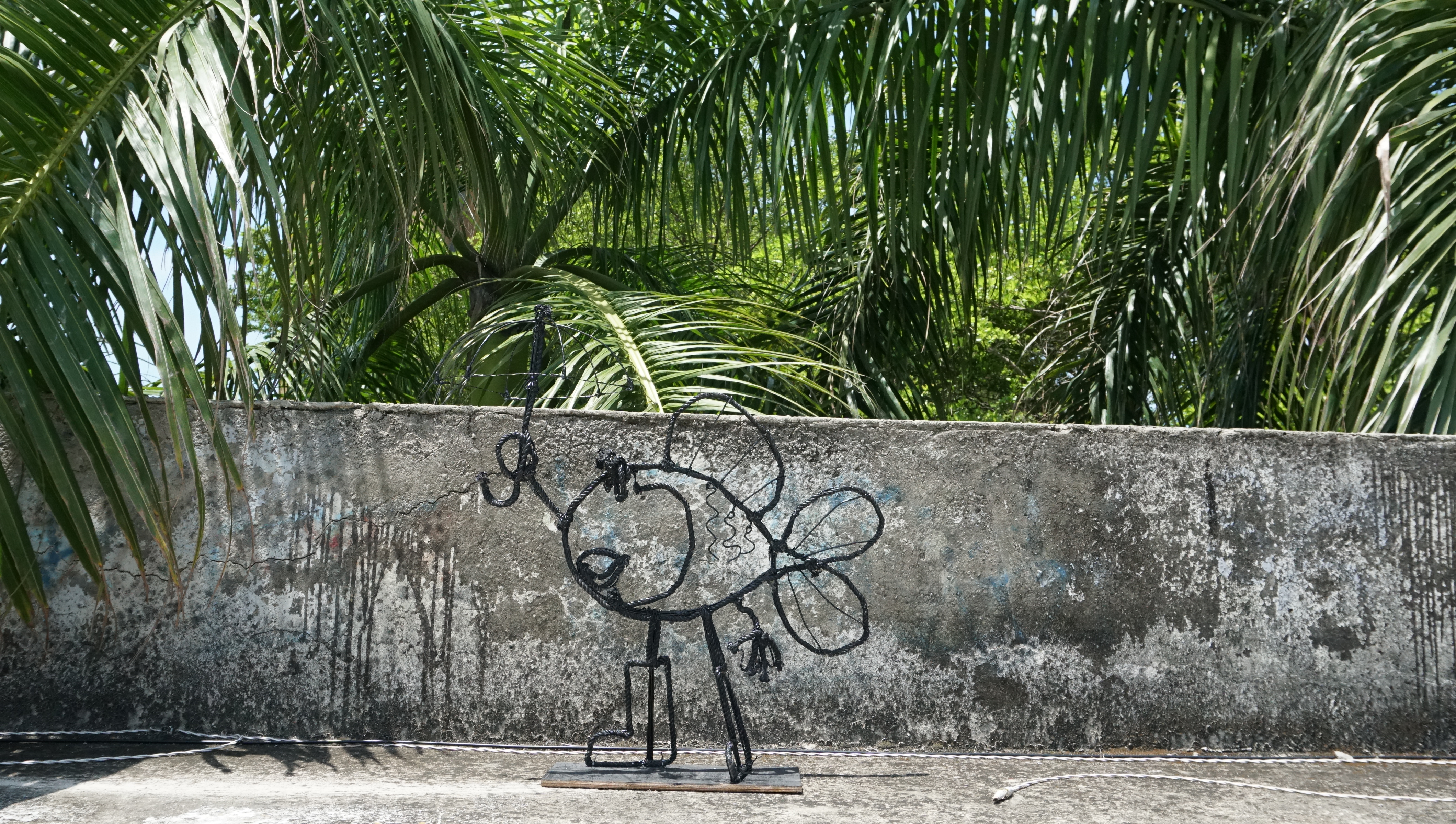
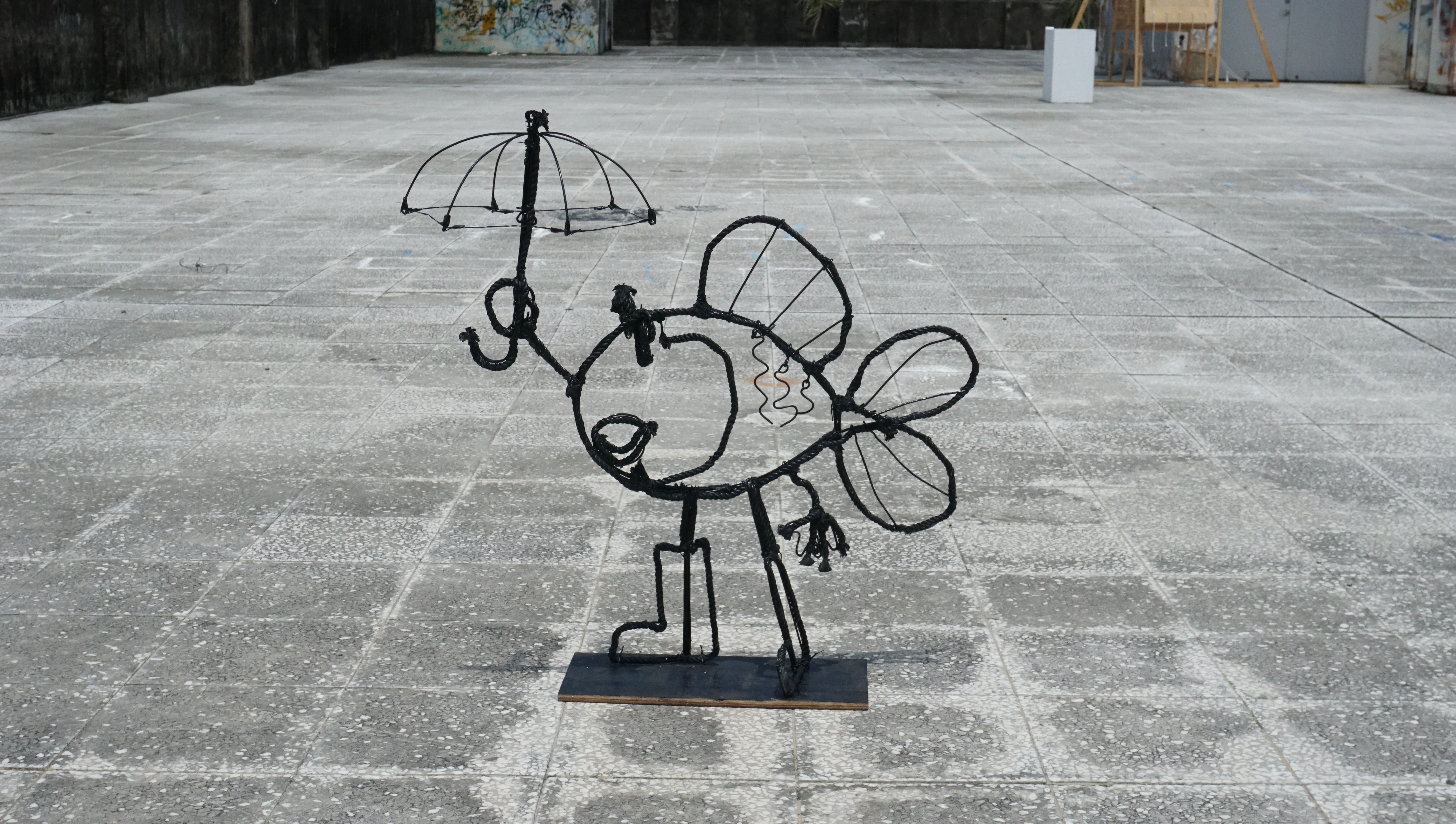
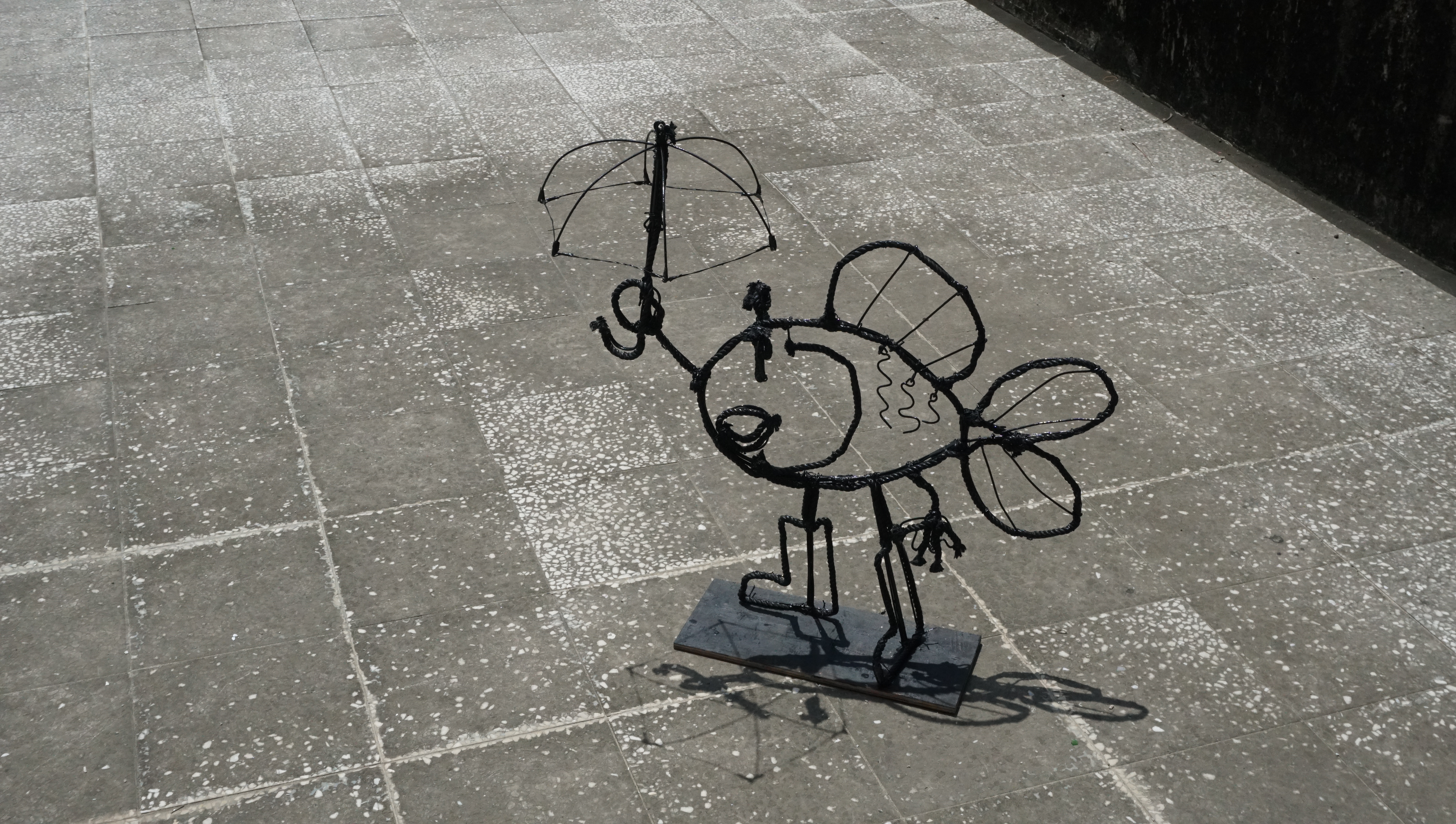
作品:遊走的魚
作者:陳彥中、郭芮佑、詹士賢
停滯的水和淤積的污泥、惡劣的水土狀態嚴重地影響當地居民生存,然而這背後的不平等因素,固然成為駐留在知情者心中的無奈。然而對於純樸的居民而言,勤勉而誠懇是他們找到生命出路的方式。
河水不再又如何? 暴雨淹水又如何? 生命也只是撐著傘、穿著雨鞋一步一步前進罷。
天候惡劣,但地景雋永。
>> 2019 Understanding Reflexive Methodology (107下)
(under construction)
 xtdesign.org